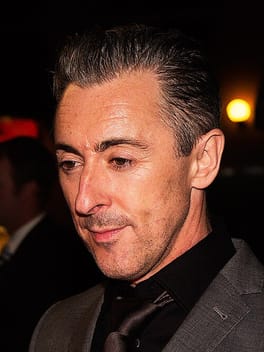
Photo: gdcgraphics / CC BY-SA 2.0 (source: Wikimedia Commons)
Alan Cumming was born on January 27, 1965 in Aberfeldy, United Kingdom. Alan Cumming is a comedian, film director and voice actor. The age as of 2026 is 61. Schooling on record includes Carnoustie High School. Recorded honors include Officer of the Order of the British Empire, Theatre World Award (1998), Tony Award for Best Actor in a Musical (1998) and 5 more.
My Take
Alan Cumming is one of those rare performers where you genuinely cannot pin him down, and that's the whole appeal. Born in the Scottish Highlands, he carries this wonderful mix of sharp wit and genuine darkness that makes every role feel inhabited rather than just played. Winning the Tony for Cabaret in 1998 was a landmark moment — his Emcee was unsettling in exactly the right way — but he's equally at home doing seven seasons on The Good Wife, voicing a villain, or narrating his own memoir. He became a U.S. citizen in 2008 while keeping his OBE and his Scottish passport, which feels perfectly on-brand for a man who refuses to be just one thing. I find his unapologetic authenticity genuinely refreshing in an industry that usually sands people smooth.
This take was written by generative AI, one per person, from publicly reported facts (editorial policy). It is a reading of the record, not reporting.
1. Profile
- Name (English)
- Alan Cumming
- Name (Japanese)
- アラン・カミング
- Reading
- あらん・かみんぐ
- Born
- January 27, 1965 (age 61)
- Origin
- Aberfeldy, United Kingdom
- Occupation
- actor / comedian / film director / voice actor / character actor
- Zodiac / Chinese zodiac
- Aquarius / Snake
2. Background
- High school
- Carnoustie High School
Awards & achievements
- Officer of the Order of the British Empire
- 1998 Theatre World Award
- 1998 Tony Award for Best Actor in a Musical
- Laurence Olivier Awards
- Drama Desk Award for Outstanding Actor in a Musical
- Audie Award for Best Male Narrator
- Audie Award for Narration by the Author or Authors
- 2009 Great Immigrants Award
3. Links
- Official sitehttps://alancumming.com
- Instagramhttps://www.instagram.com/alancummingsnaps/
- Xhttps://x.com/Alancumming
- Wikipedia (English)https://en.wikipedia.org/wiki/Alan%20Cumming
- Wikipedia (Japanese)https://ja.wikipedia.org/wiki/%E3%82%A2%E3%83%A9%E3%83%B3%E3%83%BB%E3%82%AB%E3%83%9F%E3%83%B3%E3%82%B0
- Wikidatahttps://www.wikidata.org/wiki/Q316629
4. About this entry
Tags
- Last updated
Only publicly available facts are listed; non-public or unconfirmed items are omitted. Base data was compiled from Wikidata from June 2026 onward; ages are recalculated daily and deaths are checked against Wikidata on an ongoing basis. English text is machine-assisted (facts translated by Sonnet, "My Take" written by Opus 4.8). The Japanese page is the source of record.
Frequently asked questions
When was Alan Cumming born?
Alan Cumming was born on January 27, 1965 and is 61 years old.
Where is Alan Cumming from?
Alan Cumming is from Aberfeldy, United Kingdom.
What does Alan Cumming do?
Alan Cumming works as actor, comedian, film director, voice actor, character actor.
Which high school did Alan Cumming attend?
Alan Cumming attended Carnoustie High School.
Actor — see all → · Comedian — see all → · More people from the United Kingdom → · More people born on January 27 →