From the Front Lines of Diplomacy to a Heavier Calling: The Quiet Strength of Empress Masako
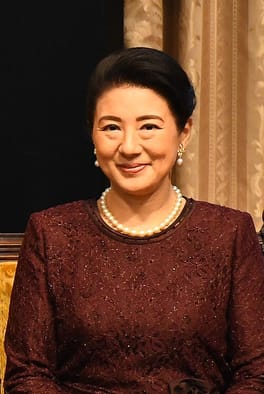
Born on December 9, 1963, in Tokyo, the woman the world now knows as Empress Masako once built a career negotiating across borders as a diplomat, before stepping into a role beside the symbol of the Japanese state. Listed plainly, her life can sound dazzling. Lived, it is something far more demanding: a story of almost unimaginable pressure, met with a quiet, steady kind of courage.
Multilingual, sharp-minded, trusted at the negotiating table, she one day moved into the most scrutinized position in the country. She has never said much about her inner life. Here, working only from what is known, we trace the outline of that remarkable journey.
From Futaba to Grenoble
Masako attended Futaba Junior and Senior High School in Denenchofu before going on to study at the University of Grenoble in France. From an early age she was shaped by international environments, developing the talent for languages that would define so much of what came later.
Many details of her education remain private, but it is not hard to see how years spent abroad, and a fluency across several languages, drew her naturally toward a life of diplomacy. That learning would later take on a new form in the very different theater of public duty.
A Diplomat on the World Stage
Before entering the Imperial Family, Masako was a career diplomat. Her work in the arena of international negotiation, carried by exceptional language skills and a keen intellect, still sits at the core of who she is.
Representing a nation before others is glamorous in name but exacting in practice, demanding precision and nerve in equal measure. The fact that she earned trust in a world where textbook knowledge alone is never enough only sharpens our sense of the weight she would later be asked to carry.
Into the Most Scrutinized Role
In time Masako became the consort of Emperor Naruhito and the Empress of Japan, moving from the front lines of diplomacy to a place beside the symbol of the nation itself. That pivot was surely never as simple as it might have looked from the outside.
It is well known that she endured long periods of reported ill health. The strain of continuing, as a single human being, in a place where attention and expectation never let up, is hard to overstate. That she returned to public duties slowly but surely speaks of a strength that resists easy description.
What the Honors Tell Us
Masako has received a long list of decorations from countries around the world: the Grand Cross of the Order of Merit of Hungary in 2000, the Grand Cross of the Order of Prince Henry in 1993, the Grand Cross of the Order of Leopold in 2016, the Order of the Golden Lion of the House of Nassau in 2017, and the Order of the Crown in 2014, among others such as the Grand Cordon of the Order of the Crown Jewels and the Order of Saint Olav.
These are not mere formalities. They are evidence of real relationships of trust built across nations, both as a diplomat and as a figure in the quieter work of imperial diplomacy. Behind each gleaming honor lies patient, accumulated effort.
When people talk about Empress Masako, the eye is drawn first to the glamour. But what truly moves me is what sits beneath it: an uncommon measure of hardship and perseverance.
A gifted woman who once held her own against the world took on its heaviest role, and pressed forward step by step through the swings of her health. There is something in that posture that earns a quiet bow, far beyond any title or rank. Many, I suspect, will go on watching her path with the same quiet care.