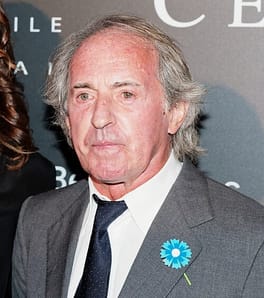
Photo: Thesupermat / CC BY-SA 4.0 (source: Wikimedia Commons)
Jacques Laffite is a sports commentator, racing automobile driver and Formula One driver. Jacques Laffite was born in Paris, France on November 21, 1943. That works out to 82 years old in 2026.
My Take
Jacques Laffite is a driver whose resilience I admire as much as his speed. The Parisian competed in Formula One from 1974 to 1986, winning six Grands Prix over thirteen seasons, no small haul. Then came the brutal startline crash that shattered his legs and ended his driving career, a moment etched into the memory of fans from that era. What I respect is that he didn't sour on the sport; he stayed in it as a broadcaster. He was famous for being warm and good-humored, beloved in a notoriously tense paddock. To survive a sport that dangerous and still smile while talking about it takes nerve.
This take was written by generative AI, one per person, from publicly reported facts (editorial policy). It is a reading of the record, not reporting.
1. Profile
- Name (English)
- Jacques Laffite
- Name (Japanese)
- ジャック・ラフィット
- Reading
- じゃっく・らふぃっと
- Born
- November 21, 1943 (age 82)
- Origin
- Paris, France
- Occupation
- sports commentator / racing automobile driver / Formula One driver
- Zodiac / Chinese zodiac
- Scorpio / Goat
2. Links
3. About this entry
Tags
- Last updated
Facts are limited to publicly available information up to 2024; non-public or unconfirmed items are omitted. English text is machine-assisted (facts translated by Sonnet, "My Take" written by Opus 4.8). The Japanese page is the source of record.
Frequently asked questions
When was Jacques Laffite born?
Born November 21, 1943 (age 82).
Where is Jacques Laffite from?
Jacques Laffite is from Paris, France.
What does Jacques Laffite do?
Jacques Laffite works as sports commentator, racing automobile driver, Formula One driver.
Sports commentator — see all → · Racing automobile driver — see all → · More people from France →