The Man Who Makes the Best Face in the Corner of the Frame: Kisetsu Fujiwara
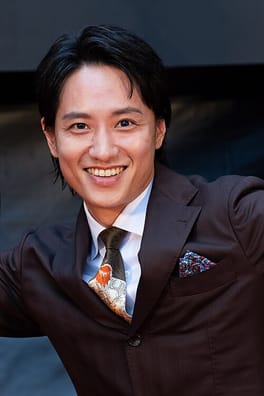
There is an actor born in Sapporo, Hokkaido, who is less a flashy, mainstream star than the kind of performer who builds his presence quietly from within indie films and ensemble pieces. Kisetsu Fujiwara — born on January 18, 1993 — doesn't dominate the center of big-budget productions; instead, you suddenly notice him making the best face of anyone, tucked into the corner of the frame. He's a craftsman in the truest sense.
He found his way from a university drama club to small theaters, was picked from more than 500 hopefuls in Office Saku's first workshop audition in 2013, and made his film debut in 2014. The way he holds himself within a film stays with the viewer. Here, using the facts we have, I want to trace his quietly compelling appeal.
Born in Sapporo
Kisetsu Fujiwara was born on January 18, 1993, in the city of Sapporo, Hokkaido. Having grown up in Japan's northern reaches lends his presence, when you describe it, a certain grounded stillness.
Of course, a birthplace doesn't determine a person's character. But when you watch an actor who simply exists in a scene rather than loudly asserting himself, it's tempting to layer in the air of the land where he was born. There is, unmistakably, that kind of calm in Fujiwara's bearing.
An Actor Who Shines in Independent Cinema
Fujiwara is at his strongest not in large-scale commercial spectacles, but in independent and art-house films and in ensemble works built around younger casts. Rather than one lead dragging the whole story forward, these are pieces where multiple characters interweave and each actor's subtle expression is tested — and there, he eases naturally into his role.
He doesn't stand out through showy set pieces; he simply breathes within the atmosphere of a scene. An actor who lifts the overall quality of a work in this way is precious, both to audiences and to the people making the film.
The Moment He Makes "the Best Face"
What draws you to watching Kisetsu Fujiwara is this: without doing anything especially big, the expression he lets slip in the corner of the frame is unforgettable. Even if you miss it the first time, you find yourself wanting to rewind and check again — that's the kind of magnetism he has.
Apart from the glamour of the lead, he genuinely holds the story up, and he makes the actors around him look better, too. In a field crowded with performers shouting "look at me," this restrained way of standing in a scene is, if anything, rare.
The Value of Not Saying Much
After films such as Ken and Kazu, Fujiwara won the Best Newcomer award at the 42nd Yokohama Film Festival in 2020, and in 2024 a boxer role even led him to earn a professional boxing license.
In the end, an actor's work speaks through how he appears within a film. Not over-selling his private life, simply facing the role in front of him — that posture sits comfortably with his quiet presence. You might even say that because he says so little about himself, the single instants on screen stand out all the more.
He doesn't explode at the center of a blockbuster; he slips naturally into films with character and, before you know it, he's making a genuinely great face in the corner of the frame. That is the appeal of Kisetsu Fujiwara — the appeal of a true craftsman.
Born in the northern city of Sapporo, his bearing carries a grounded kind of stillness. He's the sort of actor you feel certain will keep deepening, quietly and steadily — and that's exactly the sort of actor worth quietly rooting for.