From the City Hall Counter to the Center of the Debate: Mio Sugita, the Woman You Can't Scroll Past
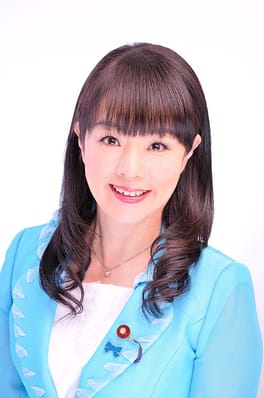
Sometimes the first line of a resume sets up an expectation that the rest of a life cheerfully demolishes. Mio Sugita is a perfect case. Born in Tarumi Ward, Kobe, in Hyogo Prefecture, she graduated from Tottori University and began her working life as a local civil servant, handling the quiet, methodical business of public administration. Judged on that opening alone, you would picture someone reserved and buttoned-up.
Instead, she emerged into public life as almost the opposite of that image. Once she entered politics, she became known for saying what she thought without softening it, and for landing, again and again, at the very center of public debate. Supporters and critics alike react to her with real heat. For better or worse, she is not the kind of figure anyone simply passes by.
Born in Tarumi, Hyogo
Mio Sugita was born on April 22, 1967, in Tarumi Ward, Kobe, in Hyogo Prefecture, and graduated from Tottori University's Faculty of Agriculture in 1990. By the zodiac she is a Taurus; in the Japanese calendar, her sign is the Goat.
A Beginning in Public Service
After university, Sugita worked for a Sekisui House subsidiary and later as an employee of Nishinomiya city hall, so the first chapter of her career unfolded not on a political stage but in business and local government.
Administrative work rarely draws attention. You deal with residents, you run programs, you keep the procedures turning. But watching the realities of society up close, day after day, may well be where she began storing up the things she would later insist on saying. Behind that quiet-looking start, the seeds of her famously blunt manner were already taking root.
Into Politics, and Into Words
In time, Sugita stepped into the world of politics, and from there she proved to be nothing like the cautious ex-bureaucrat one might have expected. She voiced her convictions without hesitation, and that willingness repeatedly placed her at the heart of public argument.
Her remarks about taxpayer support for LGBT people and about Ainu and ethnic Koreans drew repeated criticism. Appointed a parliamentary vice-minister for internal affairs in 2022, she apologized for and retracted some remarks and resigned that December. In 2024 it emerged that 15.64 million yen in donations from the Abe faction had gone unreported, and she withdrew from that October's general election.
The Politician Who Writes
Alongside her political work, Sugita has also been active as an author. Civil servant, then lawmaker, then someone who writes books: that progression says she is not merely a person of action, but a person who cannot keep her ideas to herself.
She has an official website and accounts on Instagram and X, formerly Twitter.
From a city hall in Tarumi to the center of national debate, Mio Sugita's path can be summed up in a single phrase: she is impossible to scroll past. Whether you embrace her positions or reject them is your own call, but few public figures end up at the heart of the conversation as reliably as she does.
Criticism of her remarks, a resignation and unreported donations are all part of her record.