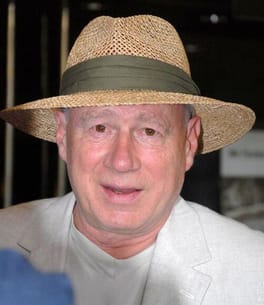
Photo: Neil_Innes_by_Luke_Ford.jpg: Luke Ford derivative work: Tabercil (talk) / CC BY-SA 2.5 (source: Wikimedia Commons)
Neil Innes was born on December 9, 1944 in Danbury, United Kingdom and was credited as a comedian, composer and actor. Neil Innes died on December 29, 2019 at the age of 75. Schooling on record includes Goldsmiths, University of London.
My Take
Neil Innes occupied a wonderful niche: the man who could write a real song and then lovingly demolish it. He started in the gloriously silly Bonzo Dog Doo-Dah Band, became so central to Monty Python's music that he is often called the seventh Python, and contributed to Holy Grail. Then he created The Rutles, a Beatles parody so affectionate and well-crafted it became a classic in its own right. That takes serious musicianship; you can only send something up that precisely if you genuinely love and understand it. He died in 2019, but he sits right at the heart of British comic invention. A delight.
This take was written by generative AI, one per person, from publicly reported facts (editorial policy). It is a reading of the record, not reporting.
1. Profile
- Name (English)
- Neil Innes
- Name (Japanese)
- ニール・イネス
- Reading
- にーる・いねす
- Born
- December 9, 1944 – December 29, 2019
- Origin
- Danbury, United Kingdom
- Occupation
- comedian / composer / actor / singer / pianist
- Zodiac / Chinese zodiac
- Sagittarius / Monkey
2. Background
- University
- Goldsmiths, University of London
3. Links
- Official sitehttps://neilinnes.media/
- Xhttps://x.com/NeilInnes
- Wikipedia (English)https://en.wikipedia.org/wiki/Neil%20Innes
- Wikipedia (Japanese)https://ja.wikipedia.org/wiki/%E3%83%8B%E3%83%BC%E3%83%AB%E3%83%BB%E3%82%A4%E3%83%8D%E3%82%B9
- Wikidatahttps://www.wikidata.org/wiki/Q918538
4. About this entry
Tags
- Last updated
Facts are limited to publicly available information up to 2024; non-public or unconfirmed items are omitted. English text is machine-assisted (facts translated by Sonnet, "My Take" written by Opus 4.8). The Japanese page is the source of record.
Frequently asked questions
When was Neil Innes born?
Born December 9, 1944.
When did Neil Innes die?
Died December 29, 2019, aged 75.
Where was Neil Innes from?
Neil Innes was from Danbury, United Kingdom.
What did Neil Innes do?
Neil Innes worked as comedian, composer, actor, singer, pianist.
Comedian — see all → · Composer — see all → · More people from the United Kingdom →