The Man Who Makes the World Make Sense: Half a Century of Akira Ikegami
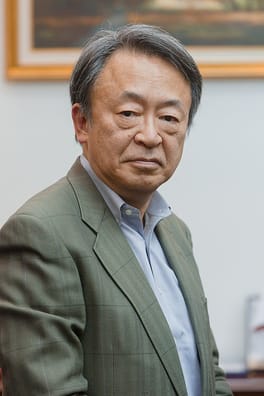
On a late-night news program, a tangled piece of international politics or economics quietly comes undone—untangled by a single flip chart and a gentle, patient voice. At the center of that small magic stands Akira Ikegami. For half a century, he has refused to take the easy road that lets experts call a subject "too complex," choosing instead to translate it into words a child could nod along to.
Born on August 9, 1950, in Matsumoto, Nagano Prefecture, Ikegami graduated from Keio University and stepped into the world of news. In time, he would become the most trusted translator of the news in all of Japan.
From Matsumoto to the Newsroom
Matsumoto, a castle town in Nagano Prefecture beneath the Northern Alps, is where Akira Ikegami began. After studying at Keio University, he chose not the glamorous spotlight but the unglamorous grind of reporting.
Incidents and accidents, politics and economics—the long years he spent on the ground as a reporter shaped the Ikegami the public would later come to know. To explain something to someone else, you first have to understand it deeply yourself. That simple principle was drilled into him in the field.
Clarity Is the Hard Work
It is, in truth, easy to leave a difficult subject difficult. You line up the jargon, put on a serious face, and sound impressive doing it. Ikegami chose the opposite path.
To break a complex story into language anyone can follow takes far more effort than it appears. He researches the background of a single event, finds its essence, strips away the clutter, and reaches for the right metaphor. Behind the image of a man smiling cheerfully with a flip chart lies an enormous amount of preparation. Simplicity is never laziness; it is the most labor-intensive form of kindness.
Polite, and Unflinching
A man with a soft smile—that may be the first impression Ikegami gives. But measure him by that alone and you will be caught off guard.
On election-night specials, even facing heavyweight politicians, he goes straight for the heart of the matter. Whoever sits across from him, he asks the question viewers most want answered, plainly and directly. His tone stays calm, yet the question lands sharp. It is precisely because warmth and rigor coexist in him that his words are trusted.
Recognition for the Power to Explain
Ikegami's work has been honored in concrete form as well: the Fukuda Kiyoto Prize in 2006, the Itami Juzo Prize in 2013, and the Kikuchi Kan Prize in 2016.
These honors recognize him not only as a journalist but as an educator who opens difficult knowledge to a wide public. In an age drowning in information, he has kept pointing the way—showing what matters and how to make sense of it. The awards are, in a sense, society's note of thanks.
When a hard piece of news leaves people frozen, many will remember Ikegami's voice. He does not flaunt his knowledge. He never acts superior. He simply keeps reaching for better words until the person across from him finally nods and says, "I get it."
That patience is the whole point of him. The world only grows more complex. And for exactly that reason, someone who can gently untangle it will go on being someone we need.