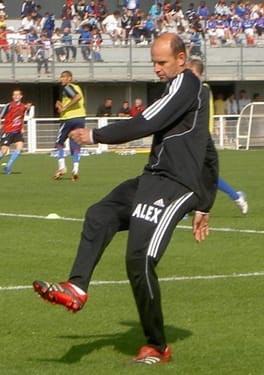
Photo: 44Charles / CC BY-SA 3.0 (source: Wikimedia Commons)
Alexander Vencel is an association football player and association football coach, born on February 8, 1944 in Ilva Mare, Bistrița-Năsăud County, Romania. That puts Alexander Vencel at 82 years old in 2026. The listed height is 183 cm.
My Take
Vencel is the kind of name that rarely trends, and that is exactly why I find him compelling. A goalkeeper for Czechoslovakia who stood in goal at the 1970 World Cup and helped win European Championship gold in 1976, he spent most of his career anchored at Slovan Bratislava. Goalkeepers live in a strange spotlight: they are noticed mostly when they fail, never when they quietly hold a line for ninety minutes. I admire that thankless discipline. Born in 1944 and later turning to coaching, Vencel strikes me as a custodian of the game in the truest sense, a man who guarded both goals and traditions.
This take was written by generative AI, one per person, from publicly reported facts (editorial policy). It is a reading of the record, not reporting.
1. Profile
- Name (English)
- Alexander Vencel
- Name (Japanese)
- アレクサンデル・ヴェンツェル
- Reading
- あれくさんでる・ゔぇんつぇる
- Born
- February 8, 1944 (age 82)
- Origin
- Ilva Mare, Bistrița-Năsăud County, Romania
- Height
- 183 cm
- Occupation
- association football player / association football coach
- Zodiac / Chinese zodiac
- Aquarius / Monkey
2. Links
- Wikipedia (English)https://en.wikipedia.org/wiki/Alexander%20Vencel%20(footballer%2C%20born%201944)
- Wikipedia (Japanese)https://ja.wikipedia.org/wiki/%E3%82%A2%E3%83%AC%E3%82%AF%E3%82%B5%E3%83%B3%E3%83%87%E3%83%AB%E3%83%BB%E3%83%B4%E3%82%A7%E3%83%B3%E3%83%84%E3%82%A7%E3%83%AB%20(1944%E5%B9%B4%E7%94%9F%E3%81%AE%E3%82%B5%E3%83%83%E3%82%AB%E3%83%BC%E9%81%B8%E6%89%8B)
- Wikidatahttps://www.wikidata.org/wiki/Q132322
3. About this entry
Tags
- Last updated
Facts are limited to publicly available information up to 2024; non-public or unconfirmed items are omitted. English text is machine-assisted (facts translated by Sonnet, "My Take" written by Opus 4.8). The Japanese page is the source of record.
Frequently asked questions
When was Alexander Vencel born?
Born February 8, 1944 (age 82).
Where is Alexander Vencel from?
Alexander Vencel is from Ilva Mare, Bistrița-Năsăud County, Romania.
What does Alexander Vencel do?
Alexander Vencel works as association football player, association football coach.
How tall is Alexander Vencel?
Alexander Vencel is 183 cm.
Association football player — see all → · Association football coach — see all → · More people from Romania →