The Man Who Doesn't Age: Hirohiko Araki and the Invention of JoJo
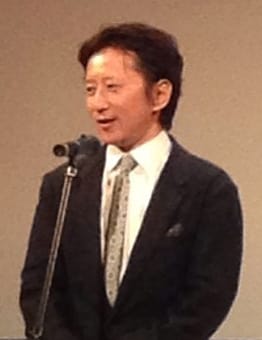
Somewhere in the streets of Sendai, a boy who idolized Osamu Tezuka was gripping a pencil. Born in June 1960 in Wakabayashi Ward, Sendai, Miyagi Prefecture, Toshiyuki Araki—who would etch the name Hirohiko Araki into manga history—started from that ordinary place.
What he created, however, was anything but ordinary. Gravity-defying poses, characters who looked like they had stepped out of a fashion magazine, and the invention of the "Stand." JoJo's Bizarre Adventure, which began serialization in 1987, would grow into a monstrous series read across generations.
And there is one more thing readers always say about him: somehow, this man does not age.
From Sendai to "Busou Poker"
Araki grew up locally, attending Komatsushima Elementary, Daihara Junior High, and Tohoku Gakuin Tsutsujigaoka High School. He withdrew from Miyagi University of Education and graduated from Sendai Design College. Drawing had been a constant passion since childhood.
His turning point came in 1980. His submission "Busou Poker" earned semi-finalist honors in the 20th Tezuka Award, securing his debut in Weekly Shonen Jump. A twenty-year-old from the provinces had pried open the door to Japan's premier boys' manga magazine.
The Years Before JoJo
Success did not arrive overnight. With Majin Beast Beety (Mashonen B.T.) in 1983 and Baoh the Visitor in 1984, Araki sharpened his style across one serialization after another.
An art style where the eerie and the beautiful coexist, battles of wits that turn rules upside down to win, and the depiction of superhuman "abilities"—the seeds of his masterwork were already sprouting in this era.
1987: JoJo's Bizarre Adventure Begins
In 1987, JoJo's Bizarre Adventure Part 1: Phantom Blood began running in Weekly Shonen Jump. Threading the bloodline of the Joestar family through the narrative, the story continued while changing generations and settings. Part 2: Battle Tendency and Part 3: Stardust Crusaders established the concept of the "Stand" ability battle, winning the series decisive popularity.
With Part 4: Diamond Is Unbreakable and Part 5: Golden Wind, Araki's art and storytelling kept transforming. The artwork evolved so dramatically it was hard to believe it came from the same hand.
Leaving Jump, Still Evolving
In 2004, Araki moved his serialization from Weekly Shonen Jump to the monthly Ultra Jump. Freed from the constraints of a boys' magazine, his expression grew even bolder. Part 8: Jojolion, which began in 2011, received an award from the 17th Agency for Cultural Affairs Media Arts Festival in 2013 and concluded in 2021.
Recognition spread beyond his comics. In 2012, his cover for the fashion magazine SPUR won the Magazine Grand Prix, and in 2019 he received the 69th Minister of Education's Art Encouragement Prize in the Media Arts Division. The road that started with a Tezuka Award semi-final had led to a national arts honor.
The Mangaka Who Doesn't Age
No portrait of Araki can avoid the legend that he simply does not age. That his appearance has barely changed from 1987 to today is spoken of among fans almost as myth.
Behind it lies relentless health management and constant training. He loves the musician Prince, favors horror movies, and draws while listening to Western music—every hobby reflecting his personal aesthetic. In 2015 he published Hirohiko Araki's Manga Technique, generously revealing part of how he thinks.
The boy from Sendai who idolized Tezuka became an artist honored with a national arts prize. He has drawn for over forty years, his style and worlds endlessly shifting, and yet he alone seems left behind by time, perpetually young.
Perhaps simply living in an era where you can read JoJo in real time is its own kind of luck. Hirohiko Araki's adventure is far from over.