Rain, Dogs, and Guns: The Real Mamoru Oshii
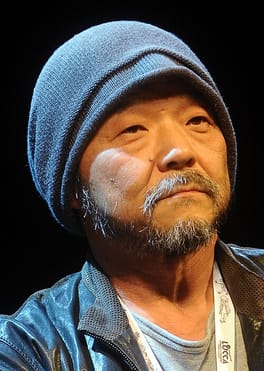
There is a film that creators around the world bow their heads to: Ghost in the Shell, released in 1995. A monument of cyberpunk cinema, it continues to shape filmmakers across the globe to this day.
And yet, if you sit down to talk with the man who made it, they say all he wants to discuss is dogs and military hardware. Walking a basset hound around the seaside town of Atami, doting on tanks, guns, and fighter planes — that is the other face of Mamoru Oshii. A world-class master who never quite shakes the air of a military buff. That very elusiveness may be the secret behind both the difficulty of his films and their strange, addictive pull.
From Aspiring Art Teacher to the Anime Floor
Mamoru Oshii was born on August 8, 1951, in Ota, Tokyo. A Leo, he grew up in a household that seems plucked from a story: his father, a film-loving private investigator from Yamagata, and Oshii the youngest of four siblings.
After Tokyo Metropolitan Koyamadai High School, he graduated from Tokyo Gakugei University's Department of Art Education in 1976. He had been on a path toward teaching, but what he chose instead was animation. In 1977 he joined Tatsunoko Production and began his career as a director.
Urusei Yatsura and Beautiful Dreamer
In 1979 he moved to Studio Pierrot, working as a regular episode director on The Wonderful Adventures of Nils. He then served as chief director on the Urusei Yatsura TV series from 1981.
The turning point came with 1984's theatrical film Urusei Yatsura 2: Beautiful Dreamer. Oshii transformed a strange premise — an endless loop of the day before a school festival — into a philosophical inquiry. Bursting far beyond the bounds of the source material, the film drew both praise and criticism, but it announced, forcefully, that he was no mere anime craftsman. From then on he walked his own road as a freelancer.
Ghost in the Shell: The Film That Shook the World
In 1988 he returned to directing by joining the Patlabor OVA project. The 1989 theatrical Patlabor: The Movie won the 7th Japan Animation Grand Prix, and he shifted his base to Production I.G.
Then, in 1995, Ghost in the Shell premiered. A rain-soaked future city, reflective water, body and soul, memory and identity. His characters will stop the plot cold to monologue endlessly about philosophy. Viewers find themselves muttering "okay, but what is actually happening?" — and then get caught in that "I don't get it but it's clearly genius" feeling. Once you're in, you're in for life. Filmmakers across the world bowed to this single film.
To Cannes, and Back to the Dog
In 2001 he released Avalon, a Japan–Poland live-action co-production. His 2004 film Innocence became the first Japanese animated film to compete in the official competition at the Cannes Film Festival, and it won the 25th Japan Science Fiction Award. In 2008, The Sky Crawlers competed at the Venice International Film Festival.
A master whose name sits among the world's great festivals. And yet he is also the author of a 2000 book titled I Don't Know What Dogs Are Thinking: Atami Basset Dispatches. Fighting on the front lines of cinema, with a dog always at his side. That is who Mamoru Oshii is.
He shakes the world with his images, then opens his mouth to talk only of dogs and military gear. That gap is not a performance — it is, most likely, just who he is.
Difficult, philosophical, refusing to hand you an answer no matter how many times you watch — and yet you watch anyway. A world-renowned master who never lost his military-buff energy, he will surely keep filming questions without answers.