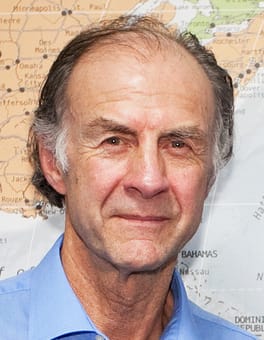
Photo: David Ward / CC BY-SA 3.0 (source: Wikimedia Commons)
Ranulph Fiennes was born on March 7, 1944 in Windsor, United Kingdom. Public records list Ranulph Fiennes as an explorer, writer and athletics competitor. That works out to 82 years old in 2026. Education on record includes Eton College. Recorded honors include Officer of the Order of the British Empire (1993), Founder’s Medal (1984), Polar Medal and 1 more.
My Take
Ranulph Fiennes belongs to a vanishing breed of genuine adventurers. Eight years in the British Army, counter-insurgency duty in Oman, and then a second life hauling himself across the poles to set endurance records most of us cannot fathom. The OBE and Royal Geographical Society medals are recognition, but what fascinates me is that he also wrote it all down; he experienced the extreme and then made sense of it on the page. I respect people who throw themselves at the limits of human capability, and Fiennes did it for decades with a stubbornness bordering on the heroic.
This take was written by generative AI, one per person, from publicly reported facts (editorial policy). It is a reading of the record, not reporting.
1. Profile
- Name (English)
- Ranulph Fiennes
- Name (Japanese)
- ラナルフ・ファインズ
- Reading
- らなるふ・ふぁいんず
- Born
- March 7, 1944 (age 82)
- Origin
- Windsor, United Kingdom
- Occupation
- explorer / writer / athletics competitor / biographer / marathon runner
- Zodiac / Chinese zodiac
- Pisces / Monkey
2. Background
- University
- Eton College
Awards & achievements
- 1993 Officer of the Order of the British Empire
- 1984 Founder’s Medal
- Polar Medal
- Livingstone Medal
3. Links
- Wikipedia (English)https://en.wikipedia.org/wiki/Ranulph%20Fiennes
- Wikidatahttps://www.wikidata.org/wiki/Q1331624
4. About this entry
Tags
- Last updated
Facts are limited to publicly available information up to 2024; non-public or unconfirmed items are omitted. English text is machine-assisted (facts translated by Sonnet, "My Take" written by Opus 4.8). The Japanese page is the source of record.
Frequently asked questions
When was Ranulph Fiennes born?
Born March 7, 1944 (age 82).
Where is Ranulph Fiennes from?
Ranulph Fiennes is from Windsor, United Kingdom.
What does Ranulph Fiennes do?
Ranulph Fiennes works as explorer, writer, athletics competitor, biographer, marathon runner.
Explorer — see all → · Writer — see all → · More people from the United Kingdom →