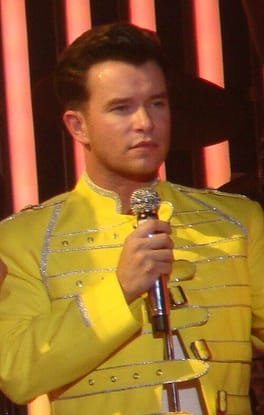
Photo: vagueonthehow from Tadcaster, York, England / CC BY 2.0 (source: Wikimedia Commons)
Stephen Gately was born in Dublin, County Dublin, Ireland on March 17, 1976. Stephen Gately was listed as an actor, singer and dancer. Death is recorded on October 10, 2009, at the age of 33.
My Take
Stephen Gately means more to me than a Boyzone biography line. He was a clear, tender voice at the heart of a band that ruled the UK charts in the 1990s, and he poured himself into singing, dancing, acting, and even children's writing. His sudden death in 2009 at just thirty-three still feels like a sentence cut off mid-thought. Beyond the music, I respect the courage it took for him to live openly and honestly in a less forgiving era. For me, he is remembered not only for the songs but for the quiet bravery that came with them.
This take was written by generative AI, one per person, from publicly reported facts (editorial policy). It is a reading of the record, not reporting.
1. Profile
- Name (English)
- Stephen Gately
- Name (Japanese)
- スティーヴン・ゲイトリー
- Reading
- すてぃーゔん・げいとりー
- Born
- March 17, 1976 – October 10, 2009
- Origin
- Dublin, County Dublin, Ireland
- Occupation
- actor / singer / dancer / songwriter / children's writer
- Zodiac / Chinese zodiac
- Pisces / Dragon
2. Links
- Official sitehttps://www.stephengately.co.uk/
- Xhttps://x.com/stephengately
- Wikipedia (English)https://en.wikipedia.org/wiki/Stephen%20Gately
- Wikipedia (Japanese)https://ja.wikipedia.org/wiki/%E3%82%B9%E3%83%86%E3%82%A3%E3%83%BC%E3%83%B4%E3%83%B3%E3%83%BB%E3%82%B2%E3%82%A4%E3%83%88%E3%83%AA%E3%83%BC
- Wikidatahttps://www.wikidata.org/wiki/Q215369
3. About this entry
Tags
- Last updated
Facts are limited to publicly available information up to 2024; non-public or unconfirmed items are omitted. English text is machine-assisted (facts translated by Sonnet, "My Take" written by Opus 4.8). The Japanese page is the source of record.
Frequently asked questions
When was Stephen Gately born?
Born March 17, 1976.
When did Stephen Gately die?
Died October 10, 2009, aged 33.
Where was Stephen Gately from?
Stephen Gately was from Dublin, County Dublin, Ireland.
What did Stephen Gately do?
Stephen Gately worked as actor, singer, dancer, songwriter, children's writer.
Actor — see all → · Singer — see all → · More people from Ireland →