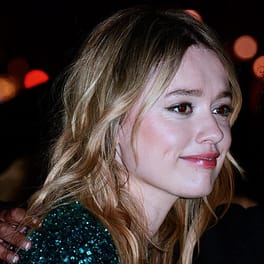
Photo: P. Lovell / CC BY-SA 2.0 (source: Wikimedia Commons)
Aimee Lou Wood was born on February 3, 1994 in Stockport, United Kingdom. Public records list Aimee Lou Wood as a film actor. The age as of 2026 is 32.
My Take
Aimee Lou Wood strikes me as one of those stage-trained actors who carries something disarmingly real onto the screen. Coming up through theatre before breaking out on Sex Education, she won a BAFTA almost out of the gate, which tells me the talent was always there waiting for a wider audience. What I value in her work is the unguarded honesty of her expressions; she never seems to be performing emotion so much as living it. That kind of presence is hard to fake and harder to teach. I suspect her best, most surprising roles are still ahead, and I am genuinely curious to watch them arrive.
This take was written by generative AI, one per person, from publicly reported facts (editorial policy). It is a reading of the record, not reporting.
1. Profile
- Name (English)
- Aimee Lou Wood
- Name (Japanese)
- エイミー・ルー・ウッド
- Reading
- えいみー・るー・うっど
- Born
- February 3, 1994 (age 32)
- Origin
- Stockport, United Kingdom
- Occupation
- actor / film actor
- Zodiac / Chinese zodiac
- Aquarius / Dog
2. Links
- Instagramhttps://www.instagram.com/aimeelouwood/
- Wikipedia (English)https://en.wikipedia.org/wiki/Aimee%20Lou%20Wood
- Wikidatahttps://www.wikidata.org/wiki/Q60632998
3. About this entry
Tags
- Last updated
Facts are limited to publicly available information up to 2024; non-public or unconfirmed items are omitted. English text is machine-assisted (facts translated by Sonnet, "My Take" written by Opus 4.8). The Japanese page is the source of record.
Frequently asked questions
When was Aimee Lou Wood born?
Aimee Lou Wood was born on February 3, 1994 and is 32 years old.
Where is Aimee Lou Wood from?
Aimee Lou Wood is from Stockport, United Kingdom.
What does Aimee Lou Wood do?
Aimee Lou Wood works as actor, film actor.
Actor — see all → · Film actor — see all → · More people from the United Kingdom → · More people born on February 3 →