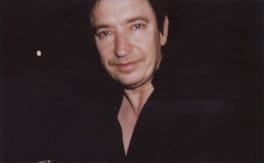
Photo: monophonicgirl / CC BY-SA 2.0 (source: Wikimedia Commons)
Alan Wilder is a composer, songwriter and record producer. Alan Wilder was born on June 1, 1959 in Hammersmith, United Kingdom. The age as of 2026 is 67.
My Take
Alan Wilder is the kind of musician I find genuinely fascinating, the classically trained craftsman inside an electronic band. His years in Depeche Mode from 1982 to 1995 covered their most ambitious period, and I tend to credit a lot of that sonic depth to arrangers like him who actually understand structure. What I admire is that he didn't just coast afterward: Recoil, which began as a side project back in 1986, became his main creative outlet once he left. That's an artist following his own ear rather than a brand. The Hammersmith-born Englishman clearly cared about sound design as much as songs.
This take was written by generative AI, one per person, from publicly reported facts (editorial policy). It is a reading of the record, not reporting.
1. Profile
- Name (English)
- Alan Wilder
- Name (Japanese)
- アラン・ワイルダー
- Reading
- あらん・わいるだー
- Born
- June 1, 1959 (age 67)
- Origin
- Hammersmith, United Kingdom
- Occupation
- composer / songwriter / record producer / drummer / musician
- Zodiac / Chinese zodiac
- Gemini / Boar
2. Links
- Official sitehttp://recoil.co.uk/
- Xhttps://x.com/recoilofficial
- Wikipedia (English)https://en.wikipedia.org/wiki/Alan%20Wilder
- Wikipedia (Japanese)https://ja.wikipedia.org/wiki/%E3%82%A2%E3%83%A9%E3%83%B3%E3%83%BB%E3%83%AF%E3%82%A4%E3%83%AB%E3%83%80%E3%83%BC
- Wikidatahttps://www.wikidata.org/wiki/Q358567
3. About this entry
Tags
- Last updated
Facts are limited to publicly available information up to 2024; non-public or unconfirmed items are omitted. English text is machine-assisted (facts translated by Sonnet, "My Take" written by Opus 4.8). The Japanese page is the source of record.
Frequently asked questions
When was Alan Wilder born?
Born June 1, 1959 (age 67).
Where is Alan Wilder from?
Alan Wilder is from Hammersmith, United Kingdom.
What does Alan Wilder do?
Alan Wilder works as composer, songwriter, record producer, drummer, musician.
Composer — see all → · Songwriter — see all → · More people from the United Kingdom →