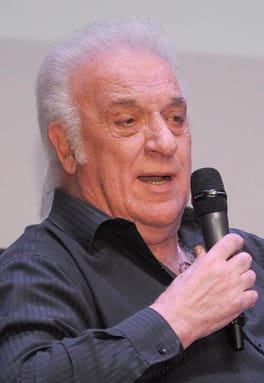
Photo: Víctor Santa María / CC BY 2.0 (source: Wikimedia Commons)
Alfio Basile is credited as an association football player and association football coach. Alfio Basile was born in Bahía Blanca, Buenos Aires Province, Argentina on November 1, 1943. That works out to 82 years old in 2026.
My Take
Alfio Basile, known as Coco, is the kind of figure South American football is built on. A hard-nosed defender out of Bahía Blanca who made his name at Racing Club and Huracán, he became something even bigger in the dugout. What gives me chills is his run with Racing, where he lifted the Supercopa Libertadores, the club's first international title since 1967, then collected four trophies with the Argentina national team and even took charge of Boca Juniors. He carries the grit and pride of the Argentine game in his bones. The data on him is thin, but that résumé alone marks him as a living witness to his country's football history.
This take was written by generative AI, one per person, from publicly reported facts (editorial policy). It is a reading of the record, not reporting.
1. Profile
- Name (English)
- Alfio Basile
- Name (Japanese)
- アルフィオ・バシーレ
- Reading
- あるふぃお・ばしーれ
- Born
- November 1, 1943 (age 82)
- Origin
- Bahía Blanca, Buenos Aires Province, Argentina
- Occupation
- association football player / association football coach
- Zodiac / Chinese zodiac
- Scorpio / Goat
2. Links
3. About this entry
Tags
- Last updated
Facts are limited to publicly available information up to 2024; non-public or unconfirmed items are omitted. English text is machine-assisted (facts translated by Sonnet, "My Take" written by Opus 4.8). The Japanese page is the source of record.
Frequently asked questions
When was Alfio Basile born?
Born November 1, 1943 (age 82).
Where is Alfio Basile from?
Alfio Basile is from Bahía Blanca, Buenos Aires Province, Argentina.
What does Alfio Basile do?
Alfio Basile works as association football player, association football coach.
Association football player — see all → · Association football coach — see all → · More people from Argentina →