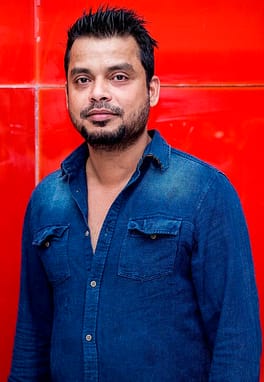
Photo: Sriram Narasimhan Silverscreen Media Inc. (https://silverscreen.in) / CC BY-SA 3.0 (source: Wikimedia Commons)
Born on September 11, 1973, Anthony is from T. Nagar, Chennai district, India. Anthony is listed as a film editor, film actor and film director. The age as of 2026 is 53. Education on record includes Madras Christian College. Recorded honors include Filmfare Award for Best Editor – South (2006), Vijay Award for Best Editor (2013) and Kerala State Film Award for Best Editor (2004).
My Take
I have a soft spot for editors, the invisible hands that give a film its pulse, and Llewellyn Anthony Gonsalvez is a fine case study. Brought into cinema by Gautham Vasudev Menon on Kaakha Kaakha, he became a fixture of Tamil filmmaking and swept major honors: the Filmfare Award South, a Vijay Award, and a Kerala State Film Award for editing. He also acts and directs, but the cutting room is where his real authorship lives. When a craft that rarely gets the spotlight collects that many best-editor trophies, it tells me the people inside the industry know exactly who shapes the rhythm of their movies.
This take was written by generative AI, one per person, from publicly reported facts (editorial policy). It is a reading of the record, not reporting.
1. Profile
- Name (English)
- Anthony
- Name (Japanese)
- アンソニー
- Reading
- あんそにー
- Born
- September 11, 1973 (age 53)
- Origin
- T. Nagar, Chennai district, India
- Occupation
- film editor / film actor / film director
- Zodiac / Chinese zodiac
- Virgo / Ox
2. Background
- University
- Madras Christian College
Awards & achievements
- 2006 Filmfare Award for Best Editor – South
- 2013 Vijay Award for Best Editor
- 2004 Kerala State Film Award for Best Editor
3. Links
4. About this entry
Tags
- Last updated
Facts are limited to publicly available information up to 2024; non-public or unconfirmed items are omitted. English text is machine-assisted (facts translated by Sonnet, "My Take" written by Opus 4.8). The Japanese page is the source of record.
Frequently asked questions
When was Anthony born?
Born September 11, 1973 (age 53).
Where is Anthony from?
Anthony is from T. Nagar, Chennai district, India.
What does Anthony do?
Anthony works as film editor, film actor, film director.
Film editor — see all → · Film actor — see all → · More people from India →