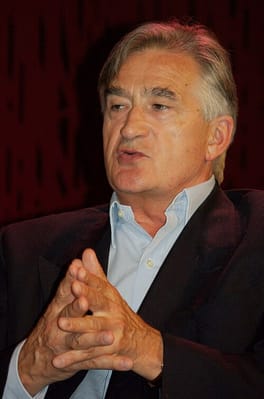
Photo: Bjørn Erik Pedersen / CC BY 2.5 (source: Wikimedia Commons)
Antony Beevor is a military historian, novelist and non-fiction writer, born on December 14, 1946 in Kensington, United Kingdom. Antony Beevor is 79 years old as of 2026. Education on record includes Winchester College. Awards on record include Baillie Gifford Prize (1999), Knight Bachelor (2017), Wolfson History Prize (1999) and 5 more.
My Take
Antony Beevor is, to me, the historian who made the Second World War feel human again. Books like Stalingrad and Berlin pull you down from the level of grand strategy into the fear and exhaustion of ordinary soldiers, and that is why his Wolfson and Hawthornden prizes feel so earned. Knighted in 2017, he carries real authority, yet his prose never reads as dry scholarship. What I value most is his refusal to settle for the victor's tidy narrative; he insists on the suffering of the defeated and the nameless. For me he sets the bar for how popular military history should be written.
This take was written by generative AI, one per person, from publicly reported facts (editorial policy). It is a reading of the record, not reporting.
1. Profile
- Name (English)
- Antony Beevor
- Name (Japanese)
- アントニー・ビーヴァー
- Reading
- あんとにー・びーゔぁー
- Born
- December 14, 1946 (age 79)
- Origin
- Kensington, United Kingdom
- Occupation
- military historian / novelist / historian / non-fiction writer / author
- Zodiac / Chinese zodiac
- Sagittarius / Dog
2. Background
- University
- Winchester College
Awards & achievements
- 1999 Baillie Gifford Prize
- 2017 Knight Bachelor
- 1999 Wolfson History Prize
- Fellow of the Royal Society of Literature
- honorary doctor of the University of Kent
- 1992 Runciman Award
- 1999 Hawthornden Prize
- 2016 Medlicott Medal
3. Links
- Official sitehttps://www.antonybeevor.com
- Wikipedia (English)https://en.wikipedia.org/wiki/Antony%20Beevor
- Wikipedia (Japanese)https://ja.wikipedia.org/wiki/%E3%82%A2%E3%83%B3%E3%83%88%E3%83%8B%E3%83%BC%E3%83%BB%E3%83%93%E3%83%BC%E3%83%B4%E3%82%A1%E3%83%BC
- Wikidatahttps://www.wikidata.org/wiki/Q380229
4. About this entry
Tags
- Last updated
Facts are limited to publicly available information up to 2024; non-public or unconfirmed items are omitted. English text is machine-assisted (facts translated by Sonnet, "My Take" written by Opus 4.8). The Japanese page is the source of record.
Frequently asked questions
When was Antony Beevor born?
Antony Beevor was born on December 14, 1946 and is 79 years old.
Where is Antony Beevor from?
Antony Beevor is from Kensington, United Kingdom.
What does Antony Beevor do?
Antony Beevor works as military historian, novelist, historian, non-fiction writer, author.
Where did Antony Beevor study?
Antony Beevor attended Winchester College.
Novelist — see all → · More people from the United Kingdom → · More people born on December 14 →