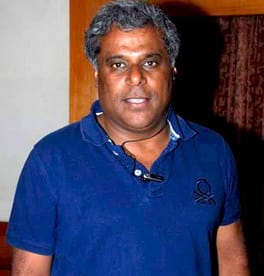
Photo: Bollywood Hungama / CC BY 3.0 (source: Wikimedia Commons)
Born on June 19, 1962 in Thalassery, Kannur district, India, Ashish Vidyarthi is a television actor and film actor. Ashish Vidyarthi is 64 years old as of 2026. Schooling on record includes Hindu College, University of Delhi. Listed accolades include Filmfare Awards South and National Film Award for Best Supporting Actor.
My Take
What I admire most about Ashish Vidyarthi is his range. Switching convincingly between Hindi, Telugu, Tamil, Bengali, Malayalam and more is a craft few master, and he did it mostly as a villain or character actor rather than a leading man. That 1995 National Film Award for Drohkaal tells me the industry knew it could not do without him. His Delhi University background shows in the intelligence he brings to scenes. I have a soft spot for performers who change the temperature of a film without needing top billing, and he is exactly that kind of indispensable craftsman.
This take was written by generative AI, one per person, from publicly reported facts (editorial policy). It is a reading of the record, not reporting.
1. Profile
- Name (English)
- Ashish Vidyarthi
- Name (Japanese)
- アシシュ・ヴィディヤルティ
- Reading
- あししゅ・ゔぃでぃやるてぃ
- Born
- June 19, 1962 (age 64)
- Origin
- Thalassery, Kannur district, India
- Occupation
- actor / television actor / film actor
- Zodiac / Chinese zodiac
- Gemini / Tiger
2. Background
- University
- Hindu College, University of Delhi
Awards & achievements
- Filmfare Awards South
- National Film Award for Best Supporting Actor
3. Links
- Instagramhttps://www.instagram.com/ashishvidyarthi1/
- Wikipedia (English)https://en.wikipedia.org/wiki/Ashish%20Vidyarthi
- Wikipedia (Japanese)https://ja.wikipedia.org/wiki/%E3%82%A2%E3%82%B7%E3%83%BC%E3%82%B7%E3%83%A5%E3%83%BB%E3%83%B4%E3%82%A3%E3%83%87%E3%82%A3%E3%83%A4%E3%83%AB%E3%83%86%E3%82%A3
- Wikidatahttps://www.wikidata.org/wiki/Q3595438
4. About this entry
Tags
- Last updated
Facts are limited to publicly available information up to 2024; non-public or unconfirmed items are omitted. English text is machine-assisted (facts translated by Sonnet, "My Take" written by Opus 4.8). The Japanese page is the source of record.
Frequently asked questions
When was Ashish Vidyarthi born?
Born June 19, 1962 (age 64).
Where is Ashish Vidyarthi from?
Ashish Vidyarthi is from Thalassery, Kannur district, India.
What does Ashish Vidyarthi do?
Ashish Vidyarthi works as actor, television actor, film actor.
Actor — see all → · Television actor — see all → · More people from India →