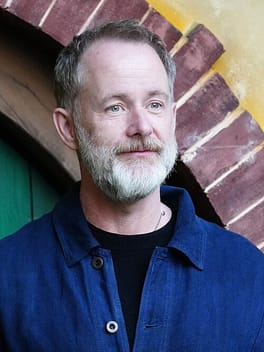
Photo: Miguel Discart & Kiri Karma / CC BY-SA 4.0 (source: Wikimedia Commons)
Billy Boyd was born on August 28, 1968 in Glasgow, United Kingdom. Billy Boyd is listed as a film actor, stand-up comedian and stage actor. The age as of 2026 is 58.
My Take
For me Billy Boyd will always be Pippin from Peter Jackson's Lord of the Rings, and specifically that aching, a cappella 'Edge of Night' in The Return of the King. It's a small moment that says everything about how musicality and acting can fuse. He's a Glaswegian who brought genuine warmth and mischief to that role, then kept range alive with Master and Commander and even the Chucky universe. I like that he didn't chase one lane; he's also a musician with the band Beecake. There's something grounded and unpretentious about him that I find easy to admire.
This take was written by generative AI, one per person, from publicly reported facts (editorial policy). It is a reading of the record, not reporting.
1. Profile
- Name (English)
- Billy Boyd
- Name (Japanese)
- ビリー・ボイド
- Reading
- びりー・ぼいど
- Born
- August 28, 1968 (age 58)
- Origin
- Glasgow, United Kingdom
- Occupation
- film actor / actor / stand-up comedian / stage actor / television actor
- Zodiac / Chinese zodiac
- Virgo / Monkey
2. Links
- Official sitehttps://www.beecake.com/
- Xhttps://x.com/OfficialBeecake
- Wikipedia (English)https://en.wikipedia.org/wiki/Billy%20Boyd
- Wikipedia (Japanese)https://ja.wikipedia.org/wiki/%E3%83%93%E3%83%AA%E3%83%BC%E3%83%BB%E3%83%9C%E3%82%A4%E3%83%89
- Wikidatahttps://www.wikidata.org/wiki/Q276425
3. About this entry
Tags
- Last updated
Facts are limited to publicly available information up to 2024; non-public or unconfirmed items are omitted. English text is machine-assisted (facts translated by Sonnet, "My Take" written by Opus 4.8). The Japanese page is the source of record.
Frequently asked questions
When was Billy Boyd born?
Born August 28, 1968 (age 58).
Where is Billy Boyd from?
Billy Boyd is from Glasgow, United Kingdom.
What does Billy Boyd do?
Billy Boyd works as film actor, actor, stand-up comedian, stage actor, television actor.
Film actor — see all → · Actor — see all → · More people from the United Kingdom →