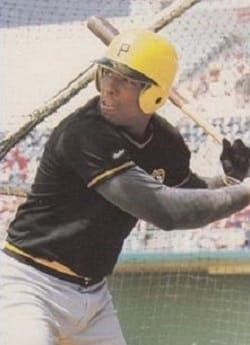
Photo: Gray Star / Public domain (source: Wikimedia Commons)
Bobby Bonilla was born in The Bronx, New York, United States on February 23, 1963. Public records list Bobby Bonilla as a baseball player. That works out to 63 years old in 2026. Schooling on record includes Herbert H. Lehman High School.
My Take
Bobby Bonilla fascinates me as a case study in how baseball remembers its players. On pure merit, he was one of the game's most feared hitters in the late 1980s and early 1990s, a genuine force on those contending Pittsburgh Pirates teams. Yet his cultural footprint today rests largely on a deferred contract that resurfaces every summer as a holiday of sorts. I think that is unfair and wonderful at once: the Bronx kid who made it big now enjoys a strange immortality that most Hall of Famers would envy. Few careers illustrate better that legacy and statistics are entirely different currencies.
This take was written by generative AI, one per person, from publicly reported facts (editorial policy). It is a reading of the record, not reporting.
1. Profile
- Name (English)
- Bobby Bonilla
- Name (Japanese)
- ボビー・ボニーヤ
- Reading
- ぼびー・ぼにーや
- Born
- February 23, 1963 (age 63)
- Origin
- The Bronx, New York, United States
- Occupation
- baseball player
- Zodiac / Chinese zodiac
- Pisces / Rabbit
2. Background
- High school
- Herbert H. Lehman High School
3. Links
- Wikipedia (English)https://en.wikipedia.org/wiki/Bobby%20Bonilla
- Wikipedia (Japanese)https://ja.wikipedia.org/wiki/%E3%83%9C%E3%83%93%E3%83%BC%E3%83%BB%E3%83%9C%E3%83%8B%E3%83%BC%E3%83%A4
- Wikidatahttps://www.wikidata.org/wiki/Q3246427
4. About this entry
Tags
- Last updated
Facts are limited to publicly available information up to 2024; non-public or unconfirmed items are omitted. English text is machine-assisted (facts translated by Sonnet, "My Take" written by Opus 4.8). The Japanese page is the source of record.
Frequently asked questions
When was Bobby Bonilla born?
Born February 23, 1963 (age 63).
Where is Bobby Bonilla from?
Bobby Bonilla is from The Bronx, New York, United States.
What does Bobby Bonilla do?
Bobby Bonilla works as baseball player.
Baseball player — see all → · More people from the United States →