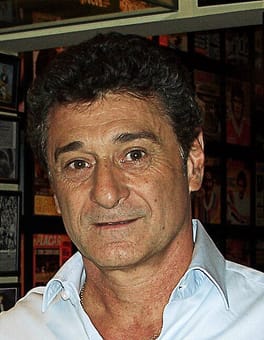
Photo: Alexandre Giesbrecht / CC BY 3.0 (source: Wikimedia Commons)
Darío Pereyra is listed as an association football player and association football coach. Born on October 19, 1956, Darío Pereyra is from Sauce, Canelones Department, Uruguay. The age as of 2026 is 69. The listed height is 184 cm.
My Take
Darío Pereyra's story is pure footballing romance to me. From Sauce in Uruguay's Canelones to Club Nacional and then São Paulo FC, where his centre-back partnership alongside Oscar made him a genuine star, he is still revered as one of the finest defenders in Brazilian football history. At 184 cm marshalling the back line, he must have been a reassuring sight. Moving into coaching after retirement fits perfectly; a man who knows defending in his bones carries unmatched authority when he teaches it. I'll always reserve my loudest applause for the craftsmen who stop goals rather than score them.
This take was written by generative AI, one per person, from publicly reported facts (editorial policy). It is a reading of the record, not reporting.
1. Profile
- Name (English)
- Darío Pereyra
- Name (Japanese)
- ダリオ・ペレイラ
- Reading
- だりお・ぺれいら
- Born
- October 19, 1956 (age 69)
- Origin
- Sauce, Canelones Department, Uruguay
- Height
- 184 cm
- Occupation
- association football player / association football coach
- Zodiac / Chinese zodiac
- Libra / Monkey
2. Links
3. About this entry
Tags
- Last updated
Facts are limited to publicly available information up to 2024; non-public or unconfirmed items are omitted. English text is machine-assisted (facts translated by Sonnet, "My Take" written by Opus 4.8). The Japanese page is the source of record.
Frequently asked questions
When was Darío Pereyra born?
Born October 19, 1956 (age 69).
Where is Darío Pereyra from?
Darío Pereyra is from Sauce, Canelones Department, Uruguay.
What does Darío Pereyra do?
Darío Pereyra works as association football player, association football coach.
How tall is Darío Pereyra?
Darío Pereyra is 184 cm.
Association football player — see all → · Association football coach — see all → · More people from Uruguay →