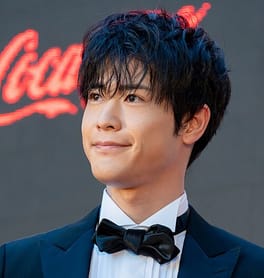
Photo: Dick Thomas Johnson from Tokyo, Japan / CC BY 2.0 (source: Wikimedia Commons)
My Take
I'll admit it: Takeo Ōtsuka is the kind of voice actor I notice without ever needing to see his face. There's a quietness to his work that gets me, the way he can carry doubt, tenderness, or a barely-held-together kind of vulnerability without ever shouting for attention. When he won the Seiyu Awards Best New Actor in 2020, it didn't feel like a fluke or industry hype; it felt like the rest of us finally catching up to something he'd been doing all along. I love that a soft-spoken Tokyo guy can step up to a mic and suddenly there's this spine of steel under everything. I don't know where his career lands next, but I'm quietly betting he keeps sneaking up on people, one understated, gut-punch performance at a time.
This take was written by generative AI, one per person, from publicly reported facts (editorial policy). It is a reading of the record, not reporting.
Story
The Actor You Meet Through His Voice: The Quiet Force of Takeo Ōtsuka
Overview
Takeo Ōtsuka is a Japanese voice actor born on October 19, 1992, in Tokyo. He is recognized for his nuanced and emotionally layered vocal performances. In 2020, he received the Voice Actor Award for Best New Actor (Male), marking him as a notable emerging talent in the industry. He is represented by I'm Enterprise.
1. Profile
- Name (English)
- Takeo Ōtsuka
- Name (Japanese)
- 大塚剛央
- Reading
- おおつか たけお
- Born
- October 19, 1992 (age 34)
- Origin
- Tokyo, Japan
- Height
- 174 cm
- Occupation
- Voice Actor
- Zodiac / Chinese zodiac
- Libra / Monkey
- Blood type
- B
- Agency
- I'm Enterprise
- Active years
- 2016 -
2. Background
Awards & achievements
- 2020 – Voice Actor Award, Best New Actor (Male)
3. Works & records
Works summary
- Appearances
- 343 (2017–2026)
- By year (titles with a known year)
- 2017: 6, 2018: 12, 2019: 16, 2020: 16, 2021: 25, 2022: 35, 2023: 31, 2024: 46, 2025: 15, 2026: 7, year unknown: 134
- Debut work
- モンソニ! ダルタニャンのアイドル宣言
Filmography / notable works
| Category | Title | Year |
|---|---|---|
| Drama CD | 僕の幼なじみはギャルになってもずっと可愛い | 2026 |
| Dubbing | The Shadow's Edge | 2026 |
| Dubbing | Spider-Man: Brand New Day | 2026 |
| Anime | 紫禁・御猫房〜紫禁城猫警備室〜 | 2026 |
| Other content | 眠れない夜は、僕の声を聴いて。 癒しボイスで眠る読み聞かせ詩集 | 2026 |
| TV anime | メダリスト | 2025 |
| TV anime | グノーシア | 2025 |
| BLCD | レトリック | 2025 |
| BLCD | 后宮のオメガ | 2025 |
| Dubbing | ラストサマー:リターンズ | 2025 |
| Anime | RINGING FATE | 2025 |
| Anime | ナタ 魔童の大暴れ | 2025 |
| 二哈と彼の白猫師尊 | 2025 | |
| Video release | THE IDOLM@STER SideM 9th STAGE ~MIR@-CIRCLE CRESCENDO~ | 2025 |
| TV anime | ??? | 2024 |
| TV anime | トリリオンゲーム | 2024 |
| TV anime | ハイガクラ | 2024 |
| Theatrical anime | Kuramerukagari | 2024 |
| Theatrical anime | 劇場版 イナズマイレブン 新たなる英雄たちの序章 | 2024 |
| Web anime | ハンドレッドノート | 2024 |
| Game | 18TRIP | 2024 |
| BLCD | 好きにさせてみせるから! 3rd step 特装版CD付 | 2024 |
| BLCD | 未熟な僕は支配を乞う1 | 2024 |
| BLCD | 青と碧 BLCDコレクション | 2024 |
| BLCD | 秘密の森の魔術師はのどかを願う | 2024 |
| Dubbing | 青春ウォルダム 呪われた王宮 | 2024 |
| Anime | カサグランデス・ムービー | 2024 |
| Anime | 龍族 -The Blazing Dawn- | 2024 |
| Anime | Gundam: Requiem For Vengeance | 2024 |
| Digital comic | お前のバグは重すぎる! | 2024 |
| Digital comic | 偽モテ男に恋愛指南は荷が重い | 2024 |
| Digital comic | 奪われ続けた令嬢は虹乙女と呼ばれた | 2024 |
| Digital comic | ヤンキー、推しと運命と出会う | 2024 |
| TV program | 愉快なキャラたちがワイプで見守る話 シーズン1 味噌だけで10本いきます | 2024 |
| Audiobook | 寂聴 源氏物語 | 2024 |
| Audiobook | 腹を割ったら血が出るだけさ | 2024 |
| Video release | THE IDOLM@STER SideM 8th STAGE ~ALL H@NDS TOGETHER~ LIVE Blu-ray | 2024 |
| Video release | THE IDOLM@STER SideM PASSIONABLE READING SHOW ~天地四心伝~ EVENT Blu-ray | 2024 |
| Video | 日テレNEWS カルチャー 伊藤遼の声優 一答遼談 大塚剛央編 | 2024 |
| Video | おねだり!声優フェス | 2024 |
| Dramatic reading | 声優朗読劇 フォアレーゼン〜永遠のロリータ〜 | 2024 |
| Dramatic reading | THE IDOLM@STER SideM PASSIONABLE READING SHOW ~天地四心伝~- | 2024 |
| Dramatic reading | 密室の中の亡霊 幻視探偵 | 2024 |
| Other content | Astro Dive | 2024 |
| TV anime | 【推しの子】 | 2023 |
| TV anime | SYNDUALITY Noir | 2023 |
| TV anime | 薬屋のひとりごと | 2023 |
| Theatrical anime | 北極百貨店のコンシェルジュさん | 2023 |
| Web anime | しんでゅありてぃ科学講座 | 2023 |
| Game | 逆転オセロニア | 2023 |
| Drama CD | 機動戦士ガンダム 水星の魔女 スペシャルドラマCD | 2023 |
| BLCD | スウィートルームエスケープ | 2023 |
| BLCD | 凪がれ星 | 2023 |
| Dubbing | ロックウッド除霊探偵局 | 2023 |
| Digital comic | 好きにさせてみせるから!second step | 2023 |
| Digital comic | 妹に婚約者を取られたら、獣な王子に求婚されました~またたびとして溺愛されてます~ | 2023 |
| Digital comic | 優良物件もうダメ荘 〜風呂、トイレと天使は共同です〜 | 2023 |
| Digital comic | 死んだら悪役令息で幻のΩなんて冗談じゃない! | 2023 |
| Digital comic | 花秘める君のメテオール | 2023 |
| Narration | 世界まる見え!全員逮捕だ2時間SP | 2023 |
4. Links
5. About this entry
Tags
- Last updated
Only publicly available facts are listed; non-public or unconfirmed items are omitted. Base data was compiled from Wikidata from June 2026 onward; ages are recalculated daily and deaths are checked against Wikidata on an ongoing basis. Works and profile fields sourced from Wikipedia reflect content as of 2026-08-26. English text is machine-assisted (facts translated by Sonnet, "My Take" written by Opus 4.8). The Japanese page is the source of record.
Frequently asked questions
When was Takeo Ōtsuka born?
Takeo Ōtsuka was born on October 19, 1992 and is 34 years old.
Where is Takeo Ōtsuka from?
Takeo Ōtsuka is from Tokyo, Japan.
What does Takeo Ōtsuka do?
Takeo Ōtsuka works as Voice Actor.
How tall is Takeo Ōtsuka?
Takeo Ōtsuka is 174 cm tall.
What is Takeo Ōtsuka's blood type?
Takeo Ōtsuka's blood type is B.
What agency is Takeo Ōtsuka with?
Takeo Ōtsuka is with I'm Enterprise.
How long has Takeo Ōtsuka been active?
Takeo Ōtsuka has been active since 2016.
What is Takeo Ōtsuka known for?
Takeo Ōtsuka's notable works include RINGING FATE, THE IDOLM@STER SideM 9th STAGE ~MIR@-CIRCLE CRESCENDO~, ???.
Voice Actor — see all → · More people from Japan → · More people born on October 19 →