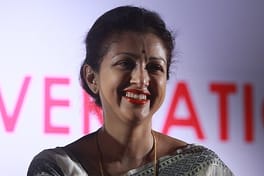
Photo: Epsajeevan / CC BY-SA 4.0 (source: Wikimedia Commons)
Gautami was born on July 2, 1968 in Nidadavole, West Godavari district, India and is credited as a television actor and costume designer. Gautami is 58 years old as of 2026. Recorded honors include Filmfare Awards South.
My Take
Gautami earns my admiration precisely because she refuses to be defined by a single label. A leading actress across Tamil, Telugu, Malayalam, Hindi and Kannada cinema, a Filmfare Awards South winner, she is also a costume designer, social worker and political figure. That range speaks to a restless, principled intelligence rather than mere ambition. Coming from West Godavari district, she built a multilingual career in an industry that does not hand such breadth out easily. What I respect most is the sense of backbone behind the glamour, a woman who has used her platform for more than fame. Performers this multifaceted are genuinely rare.
This take was written by generative AI, one per person, from publicly reported facts (editorial policy). It is a reading of the record, not reporting.
1. Profile
- Name (English)
- Gautami
- Name (Japanese)
- ガウタミ
- Reading
- がうたみ
- Born
- July 2, 1968 (age 58)
- Origin
- Nidadavole, West Godavari district, India
- Occupation
- actor / television actor / costume designer
- Zodiac / Chinese zodiac
- Cancer / Monkey
2. Background
Awards & achievements
- Filmfare Awards South
3. Links
- Wikipedia (English)https://en.wikipedia.org/wiki/Gautami
- Wikidatahttps://www.wikidata.org/wiki/Q3595537
4. About this entry
Tags
- Last updated
Facts are limited to publicly available information up to 2024; non-public or unconfirmed items are omitted. English text is machine-assisted (facts translated by Sonnet, "My Take" written by Opus 4.8). The Japanese page is the source of record.
Frequently asked questions
When was Gautami born?
Gautami was born on July 2, 1968 and is 58 years old.
Where is Gautami from?
Gautami is from Nidadavole, West Godavari district, India.
What does Gautami do?
Gautami works as actor, television actor, costume designer.
Actor — see all → · Television actor — see all → · More people from India →