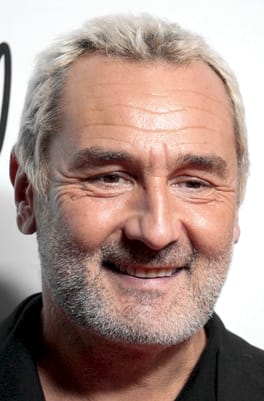
Photo: Joost Pauwels / CC0 (source: Wikimedia Commons)
Gilles Lellouche is a film director, film actor and film screenwriter, born on July 5, 1972 in Savigny-sur-Orge, Seine-et-Oise, France. Gilles Lellouche is 54 years old as of 2026. Recorded honors include honorary citizen of Fontainebleau.
My Take
Gilles Lellouche is one of those French actors who anchors a film rather than dominating it, and that is precisely why I admire him. Born in 1972 near Paris, he has built a deep résumé across Tell No One, Mesrine, Little White Lies and BAC Nord, while also directing and writing. What strikes me is his refusal to play the conventional movie star; he brings a lived-in, slightly weary authenticity that makes ensemble pieces feel real. The honorary citizenship of Fontainebleau hints at a man rooted in his world rather than chasing global fame. For me, he is a craftsman whose career rewards close, ongoing attention.
This take was written by generative AI, one per person, from publicly reported facts (editorial policy). It is a reading of the record, not reporting.
1. Profile
- Name (English)
- Gilles Lellouche
- Name (Japanese)
- ジル・ルルーシュ
- Reading
- じる・るるーしゅ
- Born
- July 5, 1972 (age 54)
- Origin
- Savigny-sur-Orge, Seine-et-Oise, France
- Occupation
- actor / film director / screenwriter / film actor / film screenwriter
- Zodiac / Chinese zodiac
- Cancer / Rat
2. Background
Awards & achievements
- honorary citizen of Fontainebleau
3. Links
- Instagramhttps://www.instagram.com/autopromodegilleslellouche/
- Xhttps://x.com/GillesLellouche
- Wikipedia (English)https://en.wikipedia.org/wiki/Gilles%20Lellouche
- Wikipedia (Japanese)https://ja.wikipedia.org/wiki/%E3%82%B8%E3%83%AB%E3%83%BB%E3%83%AB%E3%83%AB%E3%83%BC%E3%82%B7%E3%83%A5
- Wikidatahttps://www.wikidata.org/wiki/Q552639
4. About this entry
Tags
- Last updated
Facts are limited to publicly available information up to 2024; non-public or unconfirmed items are omitted. English text is machine-assisted (facts translated by Sonnet, "My Take" written by Opus 4.8). The Japanese page is the source of record.
Frequently asked questions
When was Gilles Lellouche born?
Born July 5, 1972 (age 54).
Where is Gilles Lellouche from?
Gilles Lellouche is from Savigny-sur-Orge, Seine-et-Oise, France.
What does Gilles Lellouche do?
Gilles Lellouche works as actor, film director, screenwriter, film actor, film screenwriter.
Actor — see all → · Film director — see all → · More people from France →