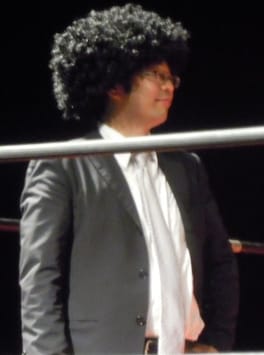
Photo: 2for6 / CC BY-SA 3.0 (source: Wikimedia Commons)
My Take
Hisaya Imabayashi is exactly the kind of actor I find myself respecting more the more I learn about him. Born in Fukuoka in 1972, he joined the theatre company Sosu Shimai in 1991 while at Waseda and has stayed ever since, guesting with companies like Asagaya Spiders and even working as a pro wrestler and general manager at DDT. There's something almost noble about that in an era where everyone is their own brand. I picture him as one of those actors who makes a scene feel grounded without you ever consciously noticing him. Fukuoka produces people with that kind of unhurried solidity. In his fifties now, he's probably hitting his richest stretch as a performer. I'd genuinely like to see more of his work.
This take was written by generative AI, one per person, from publicly reported facts (editorial policy). It is a reading of the record, not reporting.
Overview
Hisaya Imabayashi is a Japanese actor born on September 1, 1972, in Fukuoka City, Fukuoka Prefecture. A member of the theatre company Sosu Shimai since 1991, he has guested with many other companies and appeared on television, and is also a professional wrestler and general manager with DDT Pro-Wrestling.
1. Profile
- Name (English)
- Hisaya Imabayashi
- Name (Japanese)
- 今林久弥
- Reading
- いまばやし ひさや
- Born
- September 1, 1972 (age 54)
- Origin
- Fukuoka City, Fukuoka Prefecture, Japan
- Occupation
- Actor
- Zodiac / Chinese zodiac
- Virgo / Rat
2. Links
3. About this entry
Tags
- Last updated
Only publicly available facts are listed; non-public or unconfirmed items are omitted. Base data was compiled from Wikidata from June 2026 onward; ages are recalculated daily and deaths are checked against Wikidata on an ongoing basis. English text is machine-assisted (facts translated by Sonnet, "My Take" written by Opus 4.8). The Japanese page is the source of record.
Frequently asked questions
When was Hisaya Imabayashi born?
Hisaya Imabayashi was born on September 1, 1972 and is 54 years old.
Where is Hisaya Imabayashi from?
Hisaya Imabayashi is from Fukuoka City, Fukuoka Prefecture, Japan.
What does Hisaya Imabayashi do?
Hisaya Imabayashi works as Actor.
Actor — see all → · More people from Japan → · More people born on September 1 →