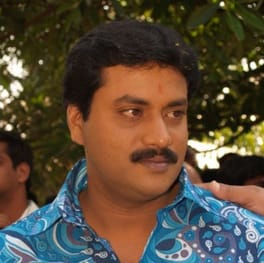
Photo: Samratgi / CC BY-SA 3.0 (source: Wikimedia Commons)
Public records list Indukuri Sunil Varma as a voice actor. Born on February 28, 1974, Indukuri Sunil Varma is from Bhimavaram, West Godavari district, India. The age as of 2026 is 52.
My Take
Sunil strikes me as one of Telugu cinema's genuine unsung craftsmen. More than 180 films, most of them comedic, is a staggering body of work, and comedy is far harder to do well than people admit. It demands timing, rhythm and a sense of dignity that keeps the laughs from turning cheap. Three Nandi Awards and two Filmfare Awards South confirm he was never just a clown but a respected performer. His voice acting hints at real vocal range too. He may be unknown in Japan, but anyone who can make audiences laugh that consistently has my sincere admiration.
This take was written by generative AI, one per person, from publicly reported facts (editorial policy). It is a reading of the record, not reporting.
1. Profile
- Name (English)
- Indukuri Sunil Varma
- Name (Japanese)
- スニール
- Reading
- すにーる
- Born
- February 28, 1974 (age 52)
- Origin
- Bhimavaram, West Godavari district, India
- Occupation
- voice actor / actor
- Zodiac / Chinese zodiac
- Pisces / Tiger
2. Links
- Wikipedia (English)https://en.wikipedia.org/wiki/Sunil%20(actor)
- Wikipedia (Japanese)https://ja.wikipedia.org/wiki/%E3%82%B9%E3%83%8B%E3%83%BC%E3%83%AB
- Wikidatahttps://www.wikidata.org/wiki/Q3536811
3. About this entry
Tags
- Last updated
Facts are limited to publicly available information up to 2024; non-public or unconfirmed items are omitted. English text is machine-assisted (facts translated by Sonnet, "My Take" written by Opus 4.8). The Japanese page is the source of record.
Frequently asked questions
When was Indukuri Sunil Varma born?
Born February 28, 1974 (age 52).
Where is Indukuri Sunil Varma from?
Indukuri Sunil Varma is from Bhimavaram, West Godavari district, India.
What does Indukuri Sunil Varma do?
Indukuri Sunil Varma works as voice actor, actor.
Voice actor — see all → · Actor — see all → · More people from India →