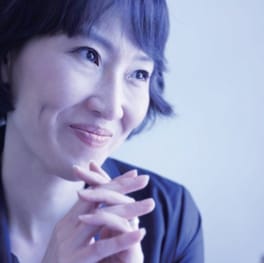
Photo: LTI Korea / CC BY-SA 4.0 (source: Wikimedia Commons)
Born on August 15, 1966 in Hampyeong County, South Jeolla, South Korea, Jeong You-jeong is a nurse, novelist and short story writer. That puts Jeong You-jeong at 60 years old in 2026. Schooling on record includes Christian College of Nursing. Notable works include The Good Son and Seven Years of Darkness.
My Take
What grabs me about Jeong You-jeong is the leap from nursing to noir. Having watched life and death up close in a hospital ward seems to feed the unflinching darkness of novels like Seven Years of Night, where she sits inside a murderer's mind and the son he leaves behind. I admire writers who refuse to look away, and she has that nerve in spades. It's striking that someone raised in the quiet of Hampyeong County produces fiction this feverish and humane. She's the kind of Korean storyteller whose books linger long after the last page, and I'd read whatever she writes next.
This take was written by generative AI, one per person, from publicly reported facts (editorial policy). It is a reading of the record, not reporting.
1. Profile
- Name (English)
- Jeong You-jeong
- Name (Japanese)
- チョン・ユジョン
- Reading
- ちょん・ゆじょん
- Born
- August 15, 1966 (age 60)
- Origin
- Hampyeong County, South Jeolla, South Korea
- Occupation
- writer / nurse / novelist / short story writer
- Zodiac / Chinese zodiac
- Leo / Horse
2. Background
- University
- Christian College of Nursing
3. Works & records
Filmography / notable works
| Category | Title |
|---|---|
| Notable work | The Good Son |
| Notable work | Seven Years of Darkness |
4. Links
5. About this entry
Tags
- Last updated
Facts are limited to publicly available information up to 2024; non-public or unconfirmed items are omitted. English text is machine-assisted (facts translated by Sonnet, "My Take" written by Opus 4.8). The Japanese page is the source of record.
Frequently asked questions
When was Jeong You-jeong born?
Born August 15, 1966 (age 60).
Where is Jeong You-jeong from?
Jeong You-jeong is from Hampyeong County, South Jeolla, South Korea.
What does Jeong You-jeong do?
Jeong You-jeong works as writer, nurse, novelist, short story writer.
What is Jeong You-jeong known for?
Notable works include The Good Son, Seven Years of Darkness.
Writer — see all → · Nurse — see all → · More people from South Korea →