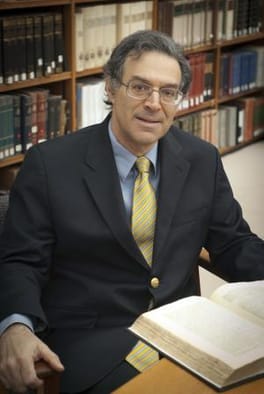
Photo: 2019 The University of Chicago / CC BY-SA 4.0 (source: Wikimedia Commons)
Kenneth Pomeranz was born on November 4, 1958 and is credited as a university teacher, historian and sinologist. As of 2026, Kenneth Pomeranz is 67 years old. Education on record includes Yale University. Listed accolades include Guggenheim Fellowship (1996), Toynbee Prize (2021), John K. Fairbank Prize (1994, 2000) and 2 more.
My Take
What draws me to Kenneth Pomeranz is the quiet ambition of his project. A Cornell undergrad, Yale PhD under Jonathan Spence, and two decades teaching at UC Irvine before Chicago, he built a career arguing that Chinese economic history belongs at the center of the global story, not its margins. Two Fairbank Prizes and the Dan David Prize confirm the field's respect. I admire scholars like him precisely because the work is unglamorous yet quietly subversive, the kind that rewires how the rest of us picture modernity. He strikes me as someone who took the long view seriously.
This take was written by generative AI, one per person, from publicly reported facts (editorial policy). It is a reading of the record, not reporting.
1. Profile
- Name (English)
- Kenneth Pomeranz
- Name (Japanese)
- ケネス・ポメランツ
- Reading
- けねす・ぽめらんつ
- Born
- November 4, 1958 (age 67)
- Occupation
- university teacher / historian / sinologist
- Zodiac / Chinese zodiac
- Scorpio / Dog
2. Background
- University
- Yale University
Awards & achievements
- 1996 Guggenheim Fellowship
- 2021 Toynbee Prize
- 1994 John K. Fairbank Prize
- 2000 John K. Fairbank Prize
- 2019 Dan David Prize
- 2001 Bentley Book Prize
3. Links
4. About this entry
Tags
- Last updated
Facts are limited to publicly available information up to 2024; non-public or unconfirmed items are omitted. English text is machine-assisted (facts translated by Sonnet, "My Take" written by Opus 4.8). The Japanese page is the source of record.
Frequently asked questions
When was Kenneth Pomeranz born?
Born November 4, 1958 (age 67).
What does Kenneth Pomeranz do?
Kenneth Pomeranz works as university teacher, historian, sinologist.