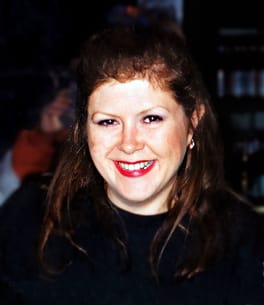
Photo: K8 fan at English Wikipedia / Public domain (source: Wikimedia Commons)
Kirsty MacColl was listed as a singer-songwriter, singer and recording artist. Kirsty MacColl was born in Croydon, United Kingdom on October 10, 1959. Death is recorded on December 18, 2000, at the age of 41. Credited works include Fairytale of New York and A New England.
My Take
Kirsty MacColl is a quiet treasure to me. Born in Croydon and the daughter of folk legend Ewan MacColl, she refused to lean on her father's name and built her own voice through the pop of the 1980s and 90s. Most people know her from the aching duet on Fairytale of New York, and that song simply does not work without her tartness and warmth. Her wit as a lyricist and her gifts as a vocalist always outran her public profile, which somehow makes me cherish her more. Her death in 2000 at only 41 was a genuine loss. Every Christmas her voice pulls me up short.
This take was written by generative AI, one per person, from publicly reported facts (editorial policy). It is a reading of the record, not reporting.
1. Profile
- Name (English)
- Kirsty MacColl
- Name (Japanese)
- カースティ・マッコール
- Reading
- かーすてぃ・まっこーる
- Born
- October 10, 1959 – December 18, 2000
- Origin
- Croydon, United Kingdom
- Occupation
- singer-songwriter / singer / recording artist / musician
- Zodiac / Chinese zodiac
- Libra / Boar
2. Works & records
Filmography / notable works
| Category | Title |
|---|---|
| Notable work | Fairytale of New York |
| Notable work | A New England |
3. Links
- Official sitehttps://www.kirstymaccoll.com/
- Wikipedia (English)https://en.wikipedia.org/wiki/Kirsty%20MacColl
- Wikidatahttps://www.wikidata.org/wiki/Q444671
4. About this entry
Tags
- Last updated
Facts are limited to publicly available information up to 2024; non-public or unconfirmed items are omitted. English text is machine-assisted (facts translated by Sonnet, "My Take" written by Opus 4.8). The Japanese page is the source of record.
Frequently asked questions
When was Kirsty MacColl born?
Kirsty MacColl was born on October 10, 1959.
When did Kirsty MacColl die?
Kirsty MacColl died on December 18, 2000, aged 41.
Where was Kirsty MacColl from?
Kirsty MacColl was from Croydon, United Kingdom.
What did Kirsty MacColl do?
Kirsty MacColl worked as singer-songwriter, singer, recording artist, musician.
What was Kirsty MacColl known for?
Kirsty MacColl's notable works include Fairytale of New York, A New England.
Singer-songwriter — see all → · Singer — see all → · More people from the United Kingdom →