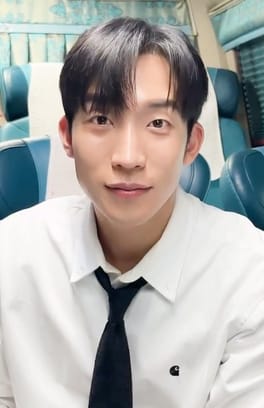
Photo: Lotte Entertainment / CC BY-SA 4.0 (source: Wikimedia Commons)
Lee Sang-yi was born on November 27, 1991 in South Korea and is credited as an actor and singer. As of 2026, Lee Sang-yi is 34 years old. Schooling on record includes Korea National University of Arts.
My Take
I have a soft spot for actors who come up through theater, and Lee Sang-yi is exactly that breed. Trained at Korea National University of Arts and seasoned in musicals since 2014, he brings a stage actor's vocal control and timing to everything he does on screen. What impresses me most is his range — he can anchor something as bruising as Bloodhounds and still radiate the easy warmth that carries his lighter roles. Born in 1991, he is entering his prime years, and I suspect that musical-theater foundation will keep paying dividends. He is one of those performers I quietly expect to age into great character work.
This take was written by generative AI, one per person, from publicly reported facts (editorial policy). It is a reading of the record, not reporting.
1. Profile
- Name (English)
- Lee Sang-yi
- Name (Japanese)
- イ・サンイ
- Reading
- い・さんい
- Born
- November 27, 1991 (age 34)
- Origin
- South Korea
- Occupation
- actor / singer
- Zodiac / Chinese zodiac
- Sagittarius / Goat
2. Background
- University
- Korea National University of Arts
3. Links
- Instagramhttps://www.instagram.com/leesangyi_/
- Wikipedia (English)https://en.wikipedia.org/wiki/Lee%20Sang-yi%20(actor)
- Wikidatahttps://www.wikidata.org/wiki/Q12611661
4. About this entry
Tags
- Last updated
Facts are limited to publicly available information up to 2024; non-public or unconfirmed items are omitted. English text is machine-assisted (facts translated by Sonnet, "My Take" written by Opus 4.8). The Japanese page is the source of record.
Frequently asked questions
When was Lee Sang-yi born?
Lee Sang-yi was born on November 27, 1991 and is 34 years old.
Where is Lee Sang-yi from?
Lee Sang-yi is from South Korea.
What does Lee Sang-yi do?
Lee Sang-yi works as actor, singer.
Where did Lee Sang-yi study?
Lee Sang-yi attended Korea National University of Arts.
Actor — see all → · Singer — see all → · More people from South Korea → · More people born on November 27 →