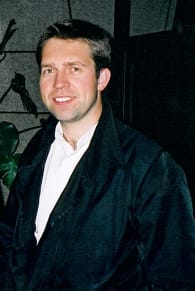
Photo: Thuen / Public domain (source: Wikimedia Commons)
Leif Ove Andsnes was born on April 7, 1970 in Haugesund Municipality, Rogaland, Norway. Leif Ove Andsnes is a classical pianist, conductor and academic musician. That works out to 56 years old in 2026. Awards on record include Commander of the Order of St. Olav (2002), Spellemann Award for choir record of the year (1991), Aust-Agder County Culture Award (2006) and 4 more.
My Take
Leif Ove Andsnes is, for my money, one of the most thoughtful pianists alive. There is a clarity and restraint to his playing, never showy, always in service of the music, that I find endlessly satisfying. His Beethoven Journey project with the Mahler Chamber Orchestra, where he directed all five concertos from the keyboard, is a landmark achievement and exactly the kind of ambitious, integrated music-making I admire. The Norwegian's Grieg, naturally, is something special too. Decades of recordings and a shelf of Spellemann awards back home only confirm it. A serious, deeply musical artist who lets the score breathe.
This take was written by generative AI, one per person, from publicly reported facts (editorial policy). It is a reading of the record, not reporting.
1. Profile
- Name (English)
- Leif Ove Andsnes
- Name (Japanese)
- レイフ・オヴェ・アンスネス
- Reading
- れいふ・おゔぇ・あんすねす
- Born
- April 7, 1970 (age 56)
- Origin
- Haugesund Municipality, Rogaland, Norway
- Occupation
- classical pianist / conductor / academic musician / recording artist / pianist
- Zodiac / Chinese zodiac
- Aries / Dog
2. Background
Awards & achievements
- 2002 Commander of the Order of St. Olav
- 1991 Spellemann Award for choir record of the year
- 2006 Aust-Agder County Culture Award
- 2010 Stavanger Aftenblads kulturpris
- 1990 Griegprisen
- 1998 Spellemann Award of the year
- 1992 Spellemannprisen in chamber music
- 1993 Spellemannprisen in chamber music
3. Links
- Official sitehttps://www.leifoveandsnes.com
- Xhttps://x.com/LeifOveAndsnes
- Wikipedia (English)https://en.wikipedia.org/wiki/Leif%20Ove%20Andsnes
- Wikipedia (Japanese)https://ja.wikipedia.org/wiki/%E3%83%AC%E3%82%A4%E3%83%95%E3%83%BB%E3%82%AA%E3%83%B4%E3%82%A7%E3%83%BB%E3%82%A2%E3%83%B3%E3%82%B9%E3%83%8D%E3%82%B9
- Wikidatahttps://www.wikidata.org/wiki/Q453617
4. About this entry
Tags
- Last updated
Facts are limited to publicly available information up to 2024; non-public or unconfirmed items are omitted. English text is machine-assisted (facts translated by Sonnet, "My Take" written by Opus 4.8). The Japanese page is the source of record.
Frequently asked questions
When was Leif Ove Andsnes born?
Born April 7, 1970 (age 56).
Where is Leif Ove Andsnes from?
Leif Ove Andsnes is from Haugesund Municipality, Rogaland, Norway.
What does Leif Ove Andsnes do?
Leif Ove Andsnes works as classical pianist, conductor, academic musician, recording artist, pianist.
Classical pianist — see all → · Conductor — see all → · More people from Norway →