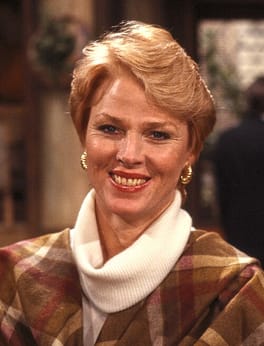
Photo: Gotfryd, Bernard, photographer / Public domain (source: Wikimedia Commons)
Mariette Hartley was born in Weston, Connecticut, United States on June 21, 1940. Public records list Mariette Hartley as a television actor and film actor. The age as of 2026 is 86. Schooling on record includes Carnegie Mellon University. Awards on record include Primetime Emmy Award for Outstanding Lead Actress in a Drama Series (1979) and star on Hollywood Walk of Fame.
My Take
Mariette Hartley reads to me like a quintessential working actor's actor. The credits I keep coming back to are remarkable: Sam Peckinpah's Ride the High Country, Hitchcock's Marnie, and Sturges' Marooned, all before she'd really become a household name. That she later won a Primetime Emmy in 1979 and earned a Hollywood Walk of Fame star tells me the industry recognized her range across film and television. With Carnegie Mellon training behind her, I get the sense of someone whose career was about craft and longevity rather than chasing the spotlight, and I respect that quiet durability.
This take was written by generative AI, one per person, from publicly reported facts (editorial policy). It is a reading of the record, not reporting.
1. Profile
- Name (English)
- Mariette Hartley
- Name (Japanese)
- マリエット・ハートレイ
- Reading
- まりえっと・はーとれい
- Born
- June 21, 1940 (age 86)
- Origin
- Weston, Connecticut, United States
- Occupation
- actor / television actor / film actor
- Zodiac / Chinese zodiac
- Gemini / Dragon
2. Background
- University
- Carnegie Mellon University
Awards & achievements
- 1979 Primetime Emmy Award for Outstanding Lead Actress in a Drama Series
- star on Hollywood Walk of Fame
3. Links
- Official sitehttps://www.mariettehartley.com/
- Wikipedia (English)https://en.wikipedia.org/wiki/Mariette%20Hartley
- Wikipedia (Japanese)https://ja.wikipedia.org/wiki/%E3%83%9E%E3%83%AA%E3%82%A8%E3%83%83%E3%83%88%E3%83%BB%E3%83%8F%E3%83%BC%E3%83%88%E3%83%AC%E3%82%A4
- Wikidatahttps://www.wikidata.org/wiki/Q468449
4. About this entry
Tags
- Last updated
Facts are limited to publicly available information up to 2024; non-public or unconfirmed items are omitted. English text is machine-assisted (facts translated by Sonnet, "My Take" written by Opus 4.8). The Japanese page is the source of record.
Frequently asked questions
When was Mariette Hartley born?
Born June 21, 1940 (age 86).
Where is Mariette Hartley from?
Mariette Hartley is from Weston, Connecticut, United States.
What does Mariette Hartley do?
Mariette Hartley works as actor, television actor, film actor.
Actor — see all → · Television actor — see all → · More people from the United States →