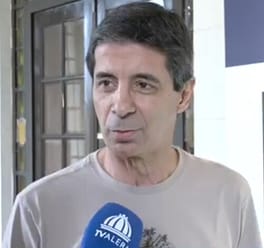
Photo: @TVALERJCanal via Youtube / CC BY 4.0 (source: Wikimedia Commons)
Mauro Galvão, born on December 19, 1961 in Porto Alegre, Rio Grande do Sul, Brazil, is an association football player and association football coach. Mauro Galvão is 64 years old as of 2026. The listed height is 180 cm.
My Take
What impresses me about Mauro Galvão is sheer durability. A defender from Porto Alegre, he played top-flight football across a 21-year span and won the Brazilian championship four separate times with Internacional, Grêmio, and Vasco da Gama, adding a Copa Libertadores along the way. Defenders rarely get the glory, yet longevity at that level is its own kind of greatness, demanding discipline and intelligence long after flashier teammates fade. That he later moved into coaching feels natural for someone so steeped in the game. I tend to value players like him, who win quietly and consistently over decades, above the flashiest goalscorers.
This take was written by generative AI, one per person, from publicly reported facts (editorial policy). It is a reading of the record, not reporting.
1. Profile
- Name (English)
- Mauro Galvão
- Name (Japanese)
- マウロ・ガウボン
- Reading
- まうろ・がうぼん
- Born
- December 19, 1961 (age 64)
- Origin
- Porto Alegre, Rio Grande do Sul, Brazil
- Height
- 180 cm
- Occupation
- association football player / association football coach
- Zodiac / Chinese zodiac
- Sagittarius / Ox
2. Links
3. About this entry
Tags
- Last updated
Facts are limited to publicly available information up to 2024; non-public or unconfirmed items are omitted. English text is machine-assisted (facts translated by Sonnet, "My Take" written by Opus 4.8). The Japanese page is the source of record.
Frequently asked questions
When was Mauro Galvão born?
Born December 19, 1961 (age 64).
Where is Mauro Galvão from?
Mauro Galvão is from Porto Alegre, Rio Grande do Sul, Brazil.
What does Mauro Galvão do?
Mauro Galvão works as association football player, association football coach.
How tall is Mauro Galvão?
Mauro Galvão is 180 cm.
Association football player — see all → · Association football coach — see all → · More people from Brazil →