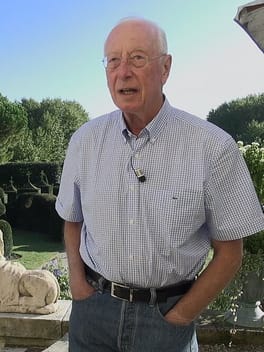
Photo: Librairie Mollat / CC BY-SA 3.0 (source: Wikimedia Commons)
William Christie was born on December 19, 1944 in Buffalo, New York, United States. William Christie is credited as a conductor, choir director and music educator. The age as of 2026 is 81. Education on record includes Harvard University. Listed accolades include Commander of the Legion of Honour (2010), Officer of Arts and Letters, Grand Officer of the National Order of Merit (2014) and 5 more.
My Take
William Christie is one of those figures who reshaped a whole musical world. A Buffalo-born, Harvard-educated American who became French and founded Les Arts Florissants, he spent decades resurrecting baroque and classical repertoire that had nearly vanished from concert life. France made him a Commander of the Legion of Honour, which says plenty about how seriously he was taken in his adopted home. I am fascinated by artists who find the future inside the past, and his harpsichord-driven revivals required real scholarship as much as showmanship. To me he represents culture at its most patient and devoted, and that earns deep admiration.
This take was written by generative AI, one per person, from publicly reported facts (editorial policy). It is a reading of the record, not reporting.
1. Profile
- Name (English)
- William Christie
- Name (Japanese)
- ウィリアム・クリスティ
- Reading
- うぃりあむ・くりすてぃ
- Born
- December 19, 1944 (age 81)
- Origin
- Buffalo, New York, United States
- Occupation
- conductor / choir director / music educator / harpsichordist / university teacher
- Zodiac / Chinese zodiac
- Sagittarius / Monkey
2. Background
- University
- Harvard University
Awards & achievements
- 2010 Commander of the Legion of Honour
- Officer of Arts and Letters
- 2014 Grand Officer of the National Order of Merit
- 2000 Knight of the Order of La Pléiade
- 2000 honorary doctor of the State University of New York at Buffalo
- honorary doctorate
- Echo Klassik
- 1996 Commandeur des Arts et des Lettres
3. Links
- Official sitehttps://www.arts-florissants.org
- Wikipedia (English)https://en.wikipedia.org/wiki/William%20Christie%20(musician)
- Wikipedia (Japanese)https://ja.wikipedia.org/wiki/%E3%82%A6%E3%82%A3%E3%83%AA%E3%82%A2%E3%83%A0%E3%83%BB%E3%82%AF%E3%83%AA%E3%82%B9%E3%83%86%E3%82%A3
- Wikidatahttps://www.wikidata.org/wiki/Q376588
4. About this entry
Tags
- Last updated
Facts are limited to publicly available information up to 2024; non-public or unconfirmed items are omitted. English text is machine-assisted (facts translated by Sonnet, "My Take" written by Opus 4.8). The Japanese page is the source of record.
Frequently asked questions
When was William Christie born?
Born December 19, 1944 (age 81).
Where is William Christie from?
William Christie is from Buffalo, New York, United States.
What does William Christie do?
William Christie works as conductor, choir director, music educator, harpsichordist, university teacher.
Conductor — see all → · More people from the United States →