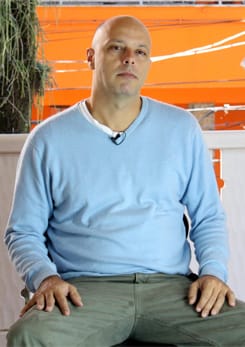
Photo: Marcelo Freixo 50123 / CC BY 2.0 (source: Wikimedia Commons)
Born on August 1, 1967, José Padilha is from Rio de Janeiro, Brazil. José Padilha is a film director, screenwriter and film producer. That works out to 59 years old in 2026. Schooling on record includes University of Oxford. Awards on record include Brazilian Cinema Grand Prize for Best Director.
My Take
Jose Padilha is a director I find genuinely interesting because of where he comes from and where he went. Born in Rio, he made Elite Squad and its sequel into both critical and box-office hits, then won the Golden Bear at Berlin in 2008. That's homegrown success of the highest order. The Oxford education is an unexpected detail that hints at a thinking man's approach to genre filmmaking. Taking on the RoboCop remake afterward was a riskier, more commercial swing, and I respect a filmmaker willing to test himself in Hollywood after dominating at home. His instinct for tense, politically charged stories is what defines him for me.
This take was written by generative AI, one per person, from publicly reported facts (editorial policy). It is a reading of the record, not reporting.
1. Profile
- Name (English)
- José Padilha
- Name (Japanese)
- ジョゼ・パジーリャ
- Reading
- じょぜ・ぱじーりゃ
- Born
- August 1, 1967 (age 59)
- Origin
- Rio de Janeiro, Brazil
- Occupation
- film director / screenwriter / film producer / television producer / manufacturer
- Zodiac / Chinese zodiac
- Leo / Goat
2. Background
- University
- University of Oxford
Awards & achievements
- Brazilian Cinema Grand Prize for Best Director
3. Links
4. About this entry
Tags
- Last updated
Facts are limited to publicly available information up to 2024; non-public or unconfirmed items are omitted. English text is machine-assisted (facts translated by Sonnet, "My Take" written by Opus 4.8). The Japanese page is the source of record.
Frequently asked questions
When was José Padilha born?
Born August 1, 1967 (age 59).
Where is José Padilha from?
José Padilha is from Rio de Janeiro, Brazil.
What does José Padilha do?
José Padilha works as film director, screenwriter, film producer, television producer, manufacturer.
Film director — see all → · Screenwriter — see all → · More people from Brazil →