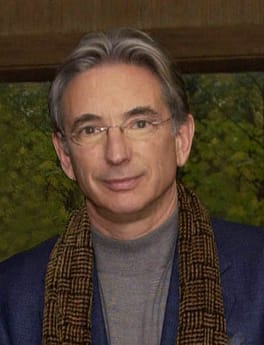
Photo: Jbitman / Public domain (source: Wikimedia Commons)
Michael Tilson Thomas was born in Los Angeles, California, United States on December 21, 1944. Public records list Michael Tilson Thomas as a conductor, pianist and composer. Death is recorded on April 22, 2026, at the age of 81. Schooling on record includes North Hollywood High School and University of Southern California. Recorded honors include National Medal of Arts, honorary doctor of the University of Miami (1996) and Ditson Conductor's Award.
My Take
Michael Tilson Thomas is one of those rare figures who makes classical music feel like it actually belongs to you — not locked behind a velvet rope, but alive and immediate. Growing up in the heart of Hollywood and studying at USC, he always had this very American energy about him: ambitious, eclectic, a little showbiz in the best sense. His decades leading the San Francisco Symphony transformed it into one of the world's great orchestras, and his Mahler cycle there is genuinely something to write home about. But what I love most is that he never stopped being a teacher at heart — founding the New World Symphony in Miami was a visionary move, nurturing the next generation of orchestral musicians for nearly four decades. The fact that he was a composer and pianist on top of all that made him almost unfairly talented.
This take was written by generative AI, one per person, from publicly reported facts (editorial policy). It is a reading of the record, not reporting.
1. Profile
- Name (English)
- Michael Tilson Thomas
- Name (Japanese)
- マイケル・ティルソン・トーマス
- Reading
- まいける・てぃるそん・とーます
- Born
- December 21, 1944 – April 22, 2026
- Origin
- Los Angeles, California, United States
- Occupation
- conductor / pianist / composer / music educator / music arranger
- Zodiac / Chinese zodiac
- Sagittarius / Monkey
2. Background
- High school
- North Hollywood High School
- University
- University of Southern California
Awards & achievements
- National Medal of Arts
- 1996 honorary doctor of the University of Miami
- Ditson Conductor's Award
3. Links
- Official sitehttps://www.michaeltilsonthomas.com
- Xhttps://x.com/mtilsonthomas
- Wikipedia (English)https://en.wikipedia.org/wiki/Michael%20Tilson%20Thomas
- Wikipedia (Japanese)https://ja.wikipedia.org/wiki/%E3%83%9E%E3%82%A4%E3%82%B1%E3%83%AB%E3%83%BB%E3%83%86%E3%82%A3%E3%83%AB%E3%82%BD%E3%83%B3%E3%83%BB%E3%83%88%E3%83%BC%E3%83%9E%E3%82%B9
- Wikidatahttps://www.wikidata.org/wiki/Q520493
4. About this entry
Tags
- Last updated
Only publicly available facts are listed; non-public or unconfirmed items are omitted. Base data was compiled from Wikidata from June 2026 onward; ages are recalculated daily and deaths are checked against Wikidata on an ongoing basis. English text is machine-assisted (facts translated by Sonnet, "My Take" written by Opus 4.8). The Japanese page is the source of record.
Frequently asked questions
When was Michael Tilson Thomas born?
Michael Tilson Thomas was born on December 21, 1944.
When did Michael Tilson Thomas die?
Michael Tilson Thomas died on April 22, 2026, aged 81.
Where was Michael Tilson Thomas from?
Michael Tilson Thomas was from Los Angeles, California, United States.
What did Michael Tilson Thomas do?
Michael Tilson Thomas worked as conductor, pianist, composer, music educator, music arranger.
Where did Michael Tilson Thomas study?
Michael Tilson Thomas attended University of Southern California.
Conductor — see all → · Pianist — see all → · More people from the United States → · More people born on December 21 →