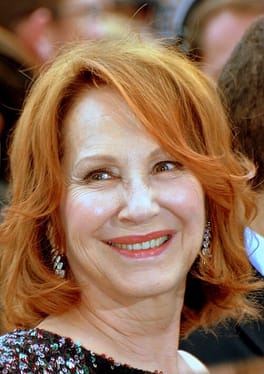
Photo: Georges Biard / CC BY-SA 3.0 (source: Wikimedia Commons)
Born on July 6, 1948 in Mainneville, Eure, France, Nathalie Baye was a voice actor, stage actor and film actor. Nathalie Baye died on April 17, 2026, aged 77. Recorded honors include Knight of the Legion of Honour, César Award for Best Supporting Actress (1981, 1982), César Award for Best Actress (1983, 2006) and 3 more.
My Take
Nathalie Baye was one of those actresses who made everything look effortless, and that's exactly what made her so hard to pin down. She won back-to-back César Awards for Best Supporting Actress in 1981 and 1982, then took home Best Actress in 1983 — which would be the career peak for most people — but she just kept going, winning Best Actress again in 2006 for The Young Lieutenant, proof that she only got more interesting with age. She trained as a dancer before pivoting to acting, and you can feel that physical intelligence in how she inhabits a role. Whether she was playing a restrained bourgeoise or a woman completely unraveling, there was never a false note. France gave her the Legion of Honour, and honestly, it feels like the least they could do.
This take was written by generative AI, one per person, from publicly reported facts (editorial policy). It is a reading of the record, not reporting.
1. Profile
- Name (English)
- Nathalie Baye
- Name (Japanese)
- ナタリー・バイ
- Reading
- なたりー・ばい
- Born
- July 6, 1948 – April 17, 2026
- Origin
- Mainneville, Eure, France
- Occupation
- voice actor / stage actor / film actor / dancer / actor
- Zodiac / Chinese zodiac
- Cancer / Rat
2. Background
Awards & achievements
- Knight of the Legion of Honour
- 1981 César Award for Best Supporting Actress
- 1982 César Award for Best Supporting Actress
- 1983 César Award for Best Actress
- 2006 César Award for Best Actress
- Officer of the Legion of Honour
- Volpi Cup for Best Actress
- Silver Shell for Best Actress
3. Links
- Instagramhttps://www.instagram.com/nathalie_baye_officiel/
- Wikipedia (English)https://en.wikipedia.org/wiki/Nathalie%20Baye
- Wikipedia (Japanese)https://ja.wikipedia.org/wiki/%E3%83%8A%E3%82%BF%E3%83%AA%E3%83%BC%E3%83%BB%E3%83%90%E3%82%A4
- Wikidatahttps://www.wikidata.org/wiki/Q106573
4. About this entry
Tags
- Last updated
Only publicly available facts are listed; non-public or unconfirmed items are omitted. Base data was compiled from Wikidata from June 2026 onward; ages are recalculated daily and deaths are checked against Wikidata on an ongoing basis. English text is machine-assisted (facts translated by Sonnet, "My Take" written by Opus 4.8). The Japanese page is the source of record.
Frequently asked questions
When was Nathalie Baye born?
Nathalie Baye was born on July 6, 1948.
When did Nathalie Baye die?
Nathalie Baye died on April 17, 2026, aged 77.
Where was Nathalie Baye from?
Nathalie Baye was from Mainneville, Eure, France.
What did Nathalie Baye do?
Nathalie Baye worked as voice actor, stage actor, film actor, dancer, actor.
Voice actor — see all → · Stage actor — see all → · More people from France → · More people born on July 6 →