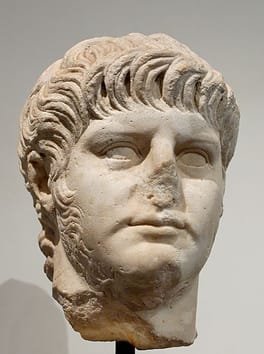
Photo: Jastrow / Public domain (source: Wikimedia Commons)
Nero was listed as a poet, politician and military personnel. Nero was born in Antium, Metropolitan City of Rome, Italy on December 15, 37. Death is recorded on June 9, 68, at the age of 30.
My Take
Nero fascinates me as history's first cautionary tale about celebrity and power. Here is an emperor whose entry lists poet and musician before anything else, a ruler who craved applause more than authority and performed on stage while running an empire. The brutality is well documented, yet I keep in mind that his story was written almost entirely by his enemies, and ancient reputations deserve some skepticism. What stays with me is the strangely modern shape of his tragedy: a man with unlimited power who only wanted to be loved as an artist, dead by his own hand at thirty. Two thousand years on, that tension still feels uncomfortably familiar.
This take was written by generative AI, one per person, from publicly reported facts (editorial policy). It is a reading of the record, not reporting.
1. Profile
- Name (English)
- Nero
- Name (Japanese)
- ネロ
- Reading
- ねろ
- Born
- December 15, 37 – June 9, 68
- Origin
- Antium, Metropolitan City of Rome, Italy
- Occupation
- poet / politician / military personnel / musician
- Zodiac / Chinese zodiac
- Sagittarius / Rooster
2. Links
- Wikipedia (English)https://en.wikipedia.org/wiki/Nero
- Wikipedia (Japanese)https://ja.wikipedia.org/wiki/%E3%83%8D%E3%83%AD
- Wikidatahttps://www.wikidata.org/wiki/Q1413
3. About this entry
Tags
- Last updated
Facts are limited to publicly available information up to 2024; non-public or unconfirmed items are omitted. English text is machine-assisted (facts translated by Sonnet, "My Take" written by Opus 4.8). The Japanese page is the source of record.
Frequently asked questions
When was Nero born?
Born December 15, 37.
When did Nero die?
Died June 9, 68, aged 30.
Where was Nero from?
Nero was from Antium, Metropolitan City of Rome, Italy.
What did Nero do?
Nero worked as poet, politician, military personnel, musician.
Poet — see all → · Politician — see all → · More people from Italy →