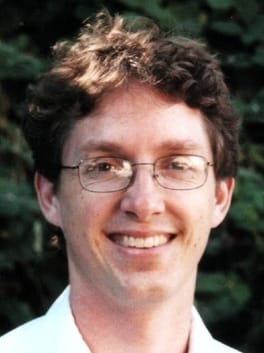
Photo: User:RichardCarrier / Public domain (source: Wikimedia Commons)
Born on December 1, 1969, Richard Carrier is from Ontario, California, United States. Richard Carrier is credited as a historian and philosopher. The age as of 2026 is 56. Schooling on record includes University of California, Berkeley.
My Take
I find Carrier one of the more bracing voices in contemporary skepticism. A Berkeley-trained historian who built his name arguing the Christ myth theory, he refuses to treat sacred subjects as off-limits, insisting instead on the same evidentiary scrutiny we'd apply to any ancient figure. What I respect is not the conclusion but the method: a stubborn willingness to read the primary sources and keep asking whether the consensus actually holds. He's a divisive figure, and reasonable people push back hard, but I'll always have time for someone who treats inquiry as a discipline rather than a destination. That intellectual restlessness is genuinely rare.
This take was written by generative AI, one per person, from publicly reported facts (editorial policy). It is a reading of the record, not reporting.
1. Profile
- Name (English)
- Richard Carrier
- Name (Japanese)
- リチャード・キャリアー
- Reading
- りちゃーど・きゃりあー
- Born
- December 1, 1969 (age 56)
- Origin
- Ontario, California, United States
- Occupation
- historian / philosopher
- Zodiac / Chinese zodiac
- Sagittarius / Rooster
2. Background
- University
- University of California, Berkeley
3. Links
- Official sitehttps://www.richardcarrier.info/
- Wikipedia (English)https://en.wikipedia.org/wiki/Richard%20Carrier
- Wikipedia (Japanese)https://ja.wikipedia.org/wiki/%E3%83%AA%E3%83%81%E3%83%A3%E3%83%BC%E3%83%89%E3%83%BB%E3%82%AD%E3%83%A3%E3%83%AA%E3%82%A2%E3%83%BC
- Wikidatahttps://www.wikidata.org/wiki/Q59874
4. About this entry
Tags
- Last updated
Facts are limited to publicly available information up to 2024; non-public or unconfirmed items are omitted. English text is machine-assisted (facts translated by Sonnet, "My Take" written by Opus 4.8). The Japanese page is the source of record.
Frequently asked questions
When was Richard Carrier born?
Born December 1, 1969 (age 56).
Where is Richard Carrier from?
Richard Carrier is from Ontario, California, United States.
What does Richard Carrier do?
Richard Carrier works as historian, philosopher.
Historian — see all → · Philosopher — see all → · More people from the United States →