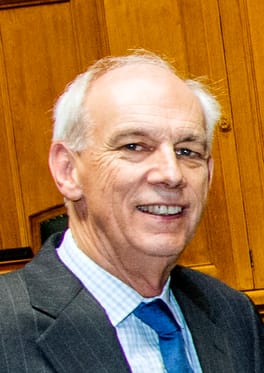
Photo: Fondazionebalzanpremio / CC BY-SA 4.0 (source: Wikimedia Commons)
Robert Keohane is an internationalist, economist and university teacher, born on October 3, 1941 in Chicago, Illinois, United States. Robert Keohane is 84 years old as of 2026. Education on record includes Harvard University. Awards on record include Guggenheim Fellowship, Johan Skytte Prize in Political Science (2005), Harvard Centennial Medal and 5 more. Credited works include After Hegemony.
My Take
Reading about Robert Keohane, I'm struck by how much one book can reshape a field. After Hegemony made him the name people reach for when explaining why cooperation survives without a dominant power, and the neoliberal institutionalism label has stuck to him ever since. The award list is staggering, from the Skytte Prize to the Balzan, and to me it signals real cross-border recognition rather than narrow academic praise. I appreciate that his work tried to explain the world as it actually functions, with institutions doing quiet, unglamorous work, rather than chasing tidy theories. A genuinely influential mind.
This take was written by generative AI, one per person, from publicly reported facts (editorial policy). It is a reading of the record, not reporting.
1. Profile
- Name (English)
- Robert Keohane
- Name (Japanese)
- ロバート・コヘイン
- Reading
- ろばーと・こへいん
- Born
- October 3, 1941 (age 84)
- Origin
- Chicago, Illinois, United States
- Occupation
- internationalist / economist / university teacher / writer / political scientist
- Zodiac / Chinese zodiac
- Libra / Snake
2. Background
- University
- Harvard University
Awards & achievements
- Guggenheim Fellowship
- 2005 Johan Skytte Prize in Political Science
- Harvard Centennial Medal
- 1989 Grawemeyer Awards
- 2017 Balzan Prize
- 2012 Heinz I. Eulau Award
- 2012 Susan Strange Award
- 2006 honorary doctorate from Sciences Po
3. Works & records
Filmography / notable works
| Category | Title |
|---|---|
| Notable work | After Hegemony |
4. Links
- Official sitehttps://www.princeton.edu/~rkeohane/
- Wikipedia (English)https://en.wikipedia.org/wiki/Robert%20Keohane
- Wikipedia (Japanese)https://ja.wikipedia.org/wiki/%E3%83%AD%E3%83%90%E3%83%BC%E3%83%88%E3%83%BB%E3%82%B3%E3%83%98%E3%82%A4%E3%83%B3
- Wikidatahttps://www.wikidata.org/wiki/Q544500
5. About this entry
Tags
- Last updated
Facts are limited to publicly available information up to 2024; non-public or unconfirmed items are omitted. English text is machine-assisted (facts translated by Sonnet, "My Take" written by Opus 4.8). The Japanese page is the source of record.
Frequently asked questions
When was Robert Keohane born?
Born October 3, 1941 (age 84).
Where is Robert Keohane from?
Robert Keohane is from Chicago, Illinois, United States.
What does Robert Keohane do?
Robert Keohane works as internationalist, economist, university teacher, writer, political scientist.
What is Robert Keohane known for?
Notable works include After Hegemony.
Economist — see all → · More people from the United States →