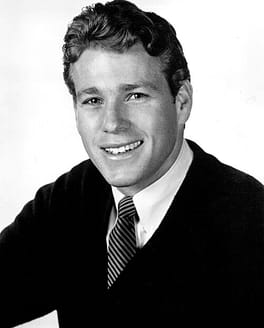
Photo: Wire photo / Public domain (source: Wikimedia Commons)
Ryan O'Neal was born on April 20, 1941 in Los Angeles, California, United States and was credited as a television actor, film actor and film producer. Ryan O'Neal died on December 8, 2023 at the age of 82. Schooling on record includes University High School. Recorded honors include David di Donatello for Best Foreign Actor (1971) and star on Hollywood Walk of Fame.
My Take
Ryan O'Neal fascinates me as a study in the cost of early beauty. He came up as an amateur boxer before Peyton Place made him a household name, and I think that pugilist's wariness never left his eyes; it kept his golden-boy roles from turning saccharine. Critics loved to underestimate him, yet the David di Donatello award in 1971 and a star on the Walk of Fame argue otherwise. For me, he embodies the bittersweet arc of 1970s stardom, dazzling ascent followed by complicated later years, and I find his best screen work quietly devastating in hindsight.
This take was written by generative AI, one per person, from publicly reported facts (editorial policy). It is a reading of the record, not reporting.
1. Profile
- Name (English)
- Ryan O'Neal
- Name (Japanese)
- ライアン・オニール
- Reading
- らいあん・おにーる
- Born
- April 20, 1941 – December 8, 2023
- Origin
- Los Angeles, California, United States
- Occupation
- actor / television actor / film actor / film producer
- Zodiac / Chinese zodiac
- Taurus / Snake
2. Background
- High school
- University High School
- University
- University High School
Awards & achievements
- 1971 David di Donatello for Best Foreign Actor
- star on Hollywood Walk of Fame
3. Links
4. About this entry
Tags
- Last updated
Facts are limited to publicly available information up to 2024; non-public or unconfirmed items are omitted. English text is machine-assisted (facts translated by Sonnet, "My Take" written by Opus 4.8). The Japanese page is the source of record.
Frequently asked questions
When was Ryan O'Neal born?
Born April 20, 1941.
When did Ryan O'Neal die?
Died December 8, 2023, aged 82.
Where was Ryan O'Neal from?
Ryan O'Neal was from Los Angeles, California, United States.
What did Ryan O'Neal do?
Ryan O'Neal worked as actor, television actor, film actor, film producer.
Actor — see all → · Television actor — see all → · More people from the United States →