The Art of Vanishing: Shota Sometani, the Actor Who Dissolves Into His Roles
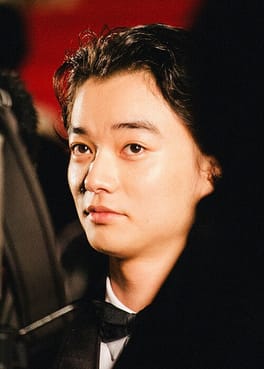
When Shota Sometani is on screen, you often forget you are watching an actor at all. What you see is not Sometani but a shadowed young man, a slightly aloof oddball, or simply a person living his life in front of you.
Born on September 3, 1992, in Koto, Tokyo, Sometani began standing in front of the camera as a child actor. Over a long career, what he has refined is not flash but the power to blend in—seeping into a role so completely that his own presence quietly disappears. That makes him a rare kind of performer.
A Boy from Koto, at Home with the Camera
Sometani hails from Koto, Tokyo. He started working as a child actor from an early age.
Standing before a camera from childhood means that acting becomes less a special, dressed-up act and more an extension of daily life. The unforced ease he later brings to the screen may well trace back to that long, early run-up.
Skilled Without Ever Feeling Smug
In acting, there are moments when the craft becomes visible—technique steps forward, and the viewer thinks, "ah, this is a performance." In Sometani's work, that flicker of self-consciousness is faint.
A sharp young man, a lonely figure carrying some inner shadow, a twitchy eccentric—whatever he plays, it turns into the texture of "yeah, people like that exist." Skilled but never smug: it is easy to say and surprisingly hard to embody, and few actors actually manage it.
2013: The Elan d'Or as Confirmation
In 2013, Sometani received the Elan d'Or Award for Best Newcomer. The award, which honors fresh talent in Japan's film and television industry, confirmed that he had already left a solid mark on the Japanese screen at an early stage.
He attended Meguro Nihon University High School. He is not the kind of actor described through a flashy résumé; rather, the trust he has built up within his work serves as his calling card.
The Wealth of Many Faces
A single actor keeping several entirely different personalities alive inside himself—watching Sometani, that breadth is what strikes you most.
He is not someone who coasts on good-looking-leading-man appeal. Instead he slips into a role and lets the outline of himself blur. That is exactly why, some time after the credits roll, the thought slowly creeps in: "that person was really good." He stays in memory not through instant impact but through lingering aftertaste.
To produce a texture this hard to pin down is a talent in itself. He does not overwhelm audiences with sheer presence; he quietly tucks himself into a story until, before you notice, he has become part of it.
Sometani will surely keep turning up, unannounced, in all sorts of films and pleasantly fooling us. An actor who can erase his own presence is always worth trusting.