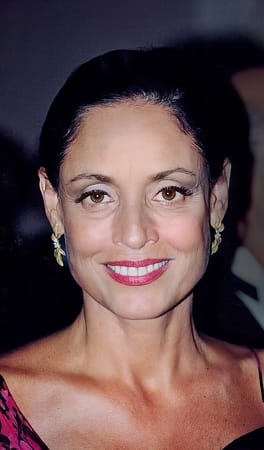
Photo: Kingkongphoto & www.celebrity-photos.com from Laurel Maryland, USA / CC BY-SA 2.0 (source: Wikimedia Commons)
Born on June 8, 1950, Sônia Braga is from Maringá, Paraná, Brazil. Sônia Braga is credited as a film actor and television actor. The age as of 2026 is 76. Listed accolades include Platino Honorary Award (2014) and Platino Award for Best Actress (2017).
My Take
Sônia Braga carries the heat of Brazilian cinema in her very name. From Maringá to Hollywood, she broke through in Kiss of the Spider Woman and Dona Flor, yet what I admire most is how she fused Latin sensuality with real intelligence and never lost her roots crossing into English-language film. The 2017 Platino Best Actress award feels well earned. She keeps taking on demanding roles well into later life, refusing to coast, and that hunger is what separates a true actress from a star. To my mind she's one of Brazil's great cultural exports, and a performer worth revisiting.
This take was written by generative AI, one per person, from publicly reported facts (editorial policy). It is a reading of the record, not reporting.
1. Profile
- Name (English)
- Sônia Braga
- Name (Japanese)
- ソニア・ブラガ
- Reading
- そにあ・ぶらが
- Born
- June 8, 1950 (age 76)
- Origin
- Maringá, Paraná, Brazil
- Occupation
- actor / film actor / television actor
- Zodiac / Chinese zodiac
- Gemini / Tiger
2. Background
Awards & achievements
- 2014 Platino Honorary Award
- 2017 Platino Award for Best Actress
3. Links
- Official sitehttp://www.soniabragaonline.com
- Xhttps://x.com/bragasonia
- Wikipedia (English)https://en.wikipedia.org/wiki/S%C3%B4nia%20Braga
- Wikipedia (Japanese)https://ja.wikipedia.org/wiki/%E3%82%BD%E3%83%8B%E3%82%A2%E3%83%BB%E3%83%96%E3%83%A9%E3%82%AC
- Wikidatahttps://www.wikidata.org/wiki/Q238993
4. About this entry
Tags
- Last updated
Facts are limited to publicly available information up to 2024; non-public or unconfirmed items are omitted. English text is machine-assisted (facts translated by Sonnet, "My Take" written by Opus 4.8). The Japanese page is the source of record.
Frequently asked questions
When was Sônia Braga born?
Sônia Braga was born on June 8, 1950 and is 76 years old.
Where is Sônia Braga from?
Sônia Braga is from Maringá, Paraná, Brazil.
What does Sônia Braga do?
Sônia Braga works as actor, film actor, television actor.
Actor — see all → · Film actor — see all → · More people from Brazil → · More people born on June 8 →