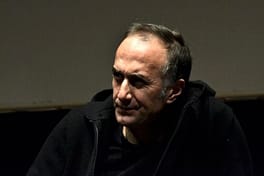
Photo: International Journalism Festival from Perugia, Italia / CC BY-SA 2.0 (source: Wikimedia Commons)
Stefano Sollima was born in Rome, Province of Rome, Italy on May 4, 1966. Stefano Sollima is a film director and film screenwriter. The age as of 2026 is 60. Awards on record include FIPRESCI Prize of the Festival de Cannes (2012) and Flaiano Prize (2009).
My Take
Stefano Sollima makes the kind of crime drama I find hard to look away from. Coming up through Italian television with Romanzo criminale and the relentless Gomorrah, he built a reputation for unflinching, morally murky storytelling before crossing into Hollywood with Sicario: Day of the Soldado. What I appreciate is that he never sands off the rough edges. His Rome in Suburra feels genuinely corrupt and lived-in, not stylized for shock value. The Cannes FIPRESCI Prize confirmed early on that critics noticed. He's proof that a filmmaker can carry a distinct, gritty European sensibility into big-budget American projects without losing his voice.
This take was written by generative AI, one per person, from publicly reported facts (editorial policy). It is a reading of the record, not reporting.
1. Profile
- Name (English)
- Stefano Sollima
- Name (Japanese)
- ステファノ・ソッリマ
- Reading
- すてふぁの・そっりま
- Born
- May 4, 1966 (age 60)
- Origin
- Rome, Province of Rome, Italy
- Occupation
- film director / screenwriter / film screenwriter / director
- Zodiac / Chinese zodiac
- Taurus / Horse
2. Background
Awards & achievements
- 2012 FIPRESCI Prize of the Festival de Cannes
- 2009 Flaiano Prize
3. Links
4. About this entry
Tags
- Last updated
Facts are limited to publicly available information up to 2024; non-public or unconfirmed items are omitted. English text is machine-assisted (facts translated by Sonnet, "My Take" written by Opus 4.8). The Japanese page is the source of record.
Frequently asked questions
When was Stefano Sollima born?
Born May 4, 1966 (age 60).
Where is Stefano Sollima from?
Stefano Sollima is from Rome, Province of Rome, Italy.
What does Stefano Sollima do?
Stefano Sollima works as film director, screenwriter, film screenwriter, director.
Film director — see all → · Screenwriter — see all → · More people from Italy →