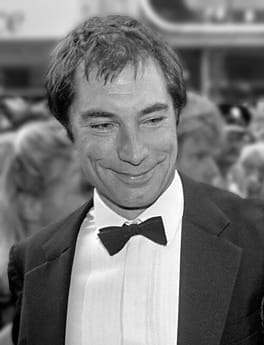
Photo: Molendijk, Bart / Anefo / CC BY-SA 3.0 nl (source: Wikimedia Commons)
Timothy Dalton, born on March 21, 1946 in Colwyn Bay, United Kingdom, is a film actor, stage actor and television actor. Timothy Dalton is 80 years old as of 2026. The listed height is 188 cm.
My Take
Timothy Dalton doesn't get nearly enough credit for what he did with James Bond, and honestly that bothers me. When he stepped into the role with The Living Daylights in 1987, he brought a raw, Shakespearean intensity that had been missing from the franchise for years — this was a Bond who actually felt dangerous, not just suave. Licence to Kill pushed it even further, getting genuinely dark in ways the series wouldn't revisit until Daniel Craig. But beyond Bond, Dalton had serious stage chops before any of that, and you can feel it in how he inhabits a scene. He was trained, deliberate, committed. The fact that legal disputes between the Bond producers cut his run short to just two films feels like one of cinema's quiet injustices. He gave us a glimpse of something real, and then it was gone.
This take was written by generative AI, one per person, from publicly reported facts (editorial policy). It is a reading of the record, not reporting.
1. Profile
- Name (English)
- Timothy Dalton
- Name (Japanese)
- ティモシー・ダルトン
- Reading
- てぃもしー・だるとん
- Born
- March 21, 1946 (age 80)
- Origin
- Colwyn Bay, United Kingdom
- Height
- 188 cm
- Occupation
- film actor / stage actor / television actor / actor
- Zodiac / Chinese zodiac
- Aries / Dog
2. Links
3. About this entry
Tags
- Last updated
Only publicly available facts are listed; non-public or unconfirmed items are omitted. Base data was compiled from Wikidata from June 2026 onward; ages are recalculated daily and deaths are checked against Wikidata on an ongoing basis. English text is machine-assisted (facts translated by Sonnet, "My Take" written by Opus 4.8). The Japanese page is the source of record.
Frequently asked questions
When was Timothy Dalton born?
Timothy Dalton was born on March 21, 1946 and is 80 years old.
Where is Timothy Dalton from?
Timothy Dalton is from Colwyn Bay, United Kingdom.
What does Timothy Dalton do?
Timothy Dalton works as film actor, stage actor, television actor, actor.
How tall is Timothy Dalton?
Timothy Dalton is 188 cm tall.
Film actor — see all → · Stage actor — see all → · More people from the United Kingdom → · More people born on March 21 →