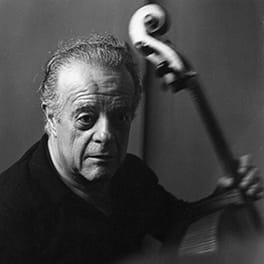
Photo: מלאכת יד מוזיקלית יוקרתית / CC BY-SA 4.0 (source: Wikimedia Commons)
André Navarra was a cellist, music educator and university teacher, born on October 13, 1911 in Biarritz, Pyrénées-Atlantiques, France. Death is recorded on July 31, 1988, at the age of 76. Awards on record include Chevalier des Arts et des Lettres, Officer's Cross of the Order of Merit of the Federal Republic of Germany and Officer of the Legion of Honour.
My Take
André Navarra is the sort of artist I instinctively respect. A cellist decorated with the Legion of Honour, the Arts et Lettres, and a German Order of Merit, he belonged to a French tradition where mastery and teaching were inseparable. What moves me is that his real legacy lives less in recordings than in the students he shaped across his university work, a lineage of sound passed hand to hand. Born in Biarritz in 1911 and dying in Siena in 1988, his life traced a chapter of European music itself. Like the low register of his instrument, his influence is quiet but unmistakably enduring.
This take was written by generative AI, one per person, from publicly reported facts (editorial policy). It is a reading of the record, not reporting.
1. Profile
- Name (English)
- André Navarra
- Name (Japanese)
- アンドレ・ナヴァラ
- Reading
- あんどれ・なゔぁら
- Born
- October 13, 1911 – July 31, 1988
- Origin
- Biarritz, Pyrénées-Atlantiques, France
- Occupation
- cellist / music educator / university teacher / music arranger / musician
- Zodiac / Chinese zodiac
- Libra / Boar
2. Background
Awards & achievements
- Chevalier des Arts et des Lettres
- Officer's Cross of the Order of Merit of the Federal Republic of Germany
- Officer of the Legion of Honour
3. Links
4. About this entry
Tags
- Last updated
Facts are limited to publicly available information up to 2024; non-public or unconfirmed items are omitted. English text is machine-assisted (facts translated by Sonnet, "My Take" written by Opus 4.8). The Japanese page is the source of record.
Frequently asked questions
When was André Navarra born?
Born October 13, 1911.
When did André Navarra die?
Died July 31, 1988, aged 76.
Where was André Navarra from?
André Navarra was from Biarritz, Pyrénées-Atlantiques, France.
What did André Navarra do?
André Navarra worked as cellist, music educator, university teacher, music arranger, musician.
Cellist — see all → · Music educator — see all → · More people from France →