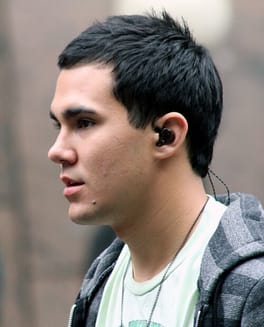
Photo: Paparazzo Presents / CC BY-SA 3.0 (source: Wikimedia Commons)
Carlos PenaVega was born on August 15, 1989 in Columbia, Missouri, United States. Public records list Carlos PenaVega as a singer, film actor and television actor. That works out to 37 years old in 2026. Notable works include The Really Loud House and Big Time Rush.
My Take
Carlos PenaVega strikes me as one of the rare child-network stars who actually figured out the second act. Plenty of Nickelodeon alumni either chase edgy reinvention or fade quietly; he instead leaned into what he was always good at, infectious energy and likability, and converted it into voice work, hosting, and a steady singing career with Big Time Rush. I find that self-awareness genuinely admirable. He never pretends to be something he is not, and audiences can feel that honesty. In an industry that punishes former teen idols, his cheerful durability looks less like luck and more like a deliberate, smart career strategy.
This take was written by generative AI, one per person, from publicly reported facts (editorial policy). It is a reading of the record, not reporting.
1. Profile
- Name (English)
- Carlos PenaVega
- Name (Japanese)
- カルロス・ペネベガ
- Reading
- かるろす・ぺねべが
- Born
- August 15, 1989 (age 37)
- Origin
- Columbia, Missouri, United States
- Occupation
- actor / singer / film actor / television actor / YouTuber
- Zodiac / Chinese zodiac
- Leo / Snake
2. Works & records
Filmography / notable works
| Category | Title |
|---|---|
| Notable work | The Really Loud House |
| Notable work | Big Time Rush |
3. Links
4. About this entry
Tags
- Last updated
Facts are limited to publicly available information up to 2024; non-public or unconfirmed items are omitted. English text is machine-assisted (facts translated by Sonnet, "My Take" written by Opus 4.8). The Japanese page is the source of record.
Frequently asked questions
When was Carlos PenaVega born?
Born August 15, 1989 (age 37).
Where is Carlos PenaVega from?
Carlos PenaVega is from Columbia, Missouri, United States.
What does Carlos PenaVega do?
Carlos PenaVega works as actor, singer, film actor, television actor, YouTuber.
What is Carlos PenaVega known for?
Notable works include The Really Loud House, Big Time Rush.
Actor — see all → · Singer — see all → · More people from the United States →