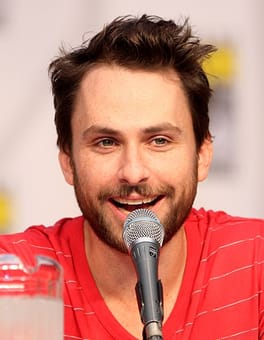
Photo: Gage Skidmore / CC BY-SA 3.0 (source: Wikimedia Commons)
Charlie Day was born on February 9, 1976 in New York City, New York, United States. Charlie Day is credited as a film actor, screenwriter and television actor. That works out to 50 years old in 2026. Education on record includes Merrimack College. Credited works include It's Always Sunny in Philadelphia.
My Take
Charlie Day fascinates me because the shrieking chaos he plays on screen is the product of remarkable discipline off it. Keeping It's Always Sunny in Philadelphia alive for two decades as actor, writer, and executive producer is a feat of creative stamina almost nobody in television matches. Playing the fool convincingly requires the sharpest mind in the room, and Day's Charlie Kelly is proof — illiterate, feral, and somehow the show's beating heart. I respect performers who build their own playground instead of waiting for casting calls, and Day built one of the most durable comedy institutions in American television.
This take was written by generative AI, one per person, from publicly reported facts (editorial policy). It is a reading of the record, not reporting.
1. Profile
- Name (English)
- Charlie Day
- Name (Japanese)
- チャーリー・デイ
- Reading
- ちゃーりー・でい
- Born
- February 9, 1976 (age 50)
- Origin
- New York City, New York, United States
- Occupation
- actor / film actor / screenwriter / television actor / showrunner
- Zodiac / Chinese zodiac
- Aquarius / Dragon
2. Background
- University
- Merrimack College
3. Works & records
Filmography / notable works
| Category | Title |
|---|---|
| Notable work | It's Always Sunny in Philadelphia |
4. Links
5. About this entry
Tags
- Last updated
Facts are limited to publicly available information up to 2024; non-public or unconfirmed items are omitted. English text is machine-assisted (facts translated by Sonnet, "My Take" written by Opus 4.8). The Japanese page is the source of record.
Frequently asked questions
When was Charlie Day born?
Born February 9, 1976 (age 50).
Where is Charlie Day from?
Charlie Day is from New York City, New York, United States.
What does Charlie Day do?
Charlie Day works as actor, film actor, screenwriter, television actor, showrunner.
What is Charlie Day known for?
Notable works include It's Always Sunny in Philadelphia.
Actor — see all → · Film actor — see all → · More people from the United States →