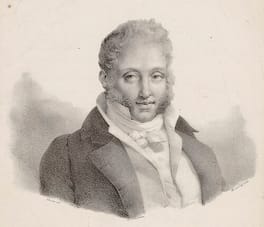
Photo: After Anne-Louis Girodet / Public domain (source: Wikimedia Commons)
Ferdinando Carulli was listed as a composer, musicologist and classical guitarist. Born on February 9, 1770, Ferdinando Carulli was from Naples, Campania, Italy. Death is recorded on February 17, 1841, at the age of 71.
My Take
As someone who has fumbled through a few guitar lessons, I find Carulli quietly astonishing. His 1810 Méthode complète is still shaping student fingers more than two centuries later, which is a kind of immortality most composers never get. What I admire most is that he took the guitar seriously when it was treated as a lesser instrument, and he poured his energy into teaching as much as performing. The concertos and chamber works are lovely, but the real legacy is foundational: he built the floor that generations of later virtuosos stand on. That patient, unglamorous work is exactly the sort I find most worthy of respect.
This take was written by generative AI, one per person, from publicly reported facts (editorial policy). It is a reading of the record, not reporting.
1. Profile
- Name (English)
- Ferdinando Carulli
- Name (Japanese)
- フェルディナンド・カルッリ
- Reading
- ふぇるでぃなんど・かるっり
- Born
- February 9, 1770 – February 17, 1841
- Origin
- Naples, Campania, Italy
- Occupation
- composer / guitarist / musicologist / classical guitarist / performing artist
- Zodiac / Chinese zodiac
- Aquarius / Tiger
2. Links
3. About this entry
Tags
- Last updated
Facts are limited to publicly available information up to 2024; non-public or unconfirmed items are omitted. English text is machine-assisted (facts translated by Sonnet, "My Take" written by Opus 4.8). The Japanese page is the source of record.
Frequently asked questions
When was Ferdinando Carulli born?
Born February 9, 1770.
When did Ferdinando Carulli die?
Died February 17, 1841, aged 71.
Where was Ferdinando Carulli from?
Ferdinando Carulli was from Naples, Campania, Italy.
What did Ferdinando Carulli do?
Ferdinando Carulli worked as composer, guitarist, musicologist, classical guitarist, performing artist.
Composer — see all → · Guitarist — see all → · More people from Italy →