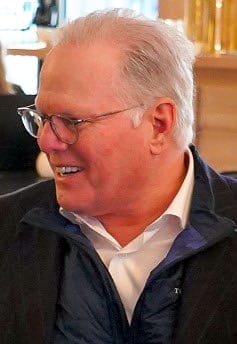
Photo: US Embassy Italy / Public domain (source: Wikimedia Commons)
Public records list David Zaslav as a chief executive officer and president. David Zaslav was born on January 15, 1960 in Rockland County, New York, United States. The age as of 2026 is 66. Schooling on record includes Binghamton University. Awards on record include Time 100 (2022) and Trustees Award (2007).
My Take
David Zaslav may be the most polarizing executive in modern entertainment, and that is exactly why I cannot look away. He took Discovery public, engineered the WarnerMedia merger, and then made the kind of brutal cost decisions — shelved films, cancelled projects — that turned him into a villain for many movie lovers. I do not love those choices, but I respect the willingness to be hated for a balance sheet others preferred to ignore. The open question, for me, is whether he sees a century-old studio as a cultural trust or just an asset portfolio. His legacy depends entirely on that answer.
This take was written by generative AI, one per person, from publicly reported facts (editorial policy). It is a reading of the record, not reporting.
1. Profile
- Name (English)
- David Zaslav
- Name (Japanese)
- デヴィッド・ザスラブ
- Reading
- でゔぃっど・ざすらぶ
- Born
- January 15, 1960 (age 66)
- Origin
- Rockland County, New York, United States
- Occupation
- chief executive officer / president
- Zodiac / Chinese zodiac
- Capricorn / Rat
2. Background
- University
- Binghamton University
Awards & achievements
- 2022 Time 100
- 2007 Trustees Award
3. Links
- Wikipedia (English)https://en.wikipedia.org/wiki/David%20Zaslav
- Wikidatahttps://www.wikidata.org/wiki/Q4377226
4. About this entry
Tags
- Last updated
Facts are limited to publicly available information up to 2024; non-public or unconfirmed items are omitted. English text is machine-assisted (facts translated by Sonnet, "My Take" written by Opus 4.8). The Japanese page is the source of record.
Frequently asked questions
When was David Zaslav born?
Born January 15, 1960 (age 66).
Where is David Zaslav from?
David Zaslav is from Rockland County, New York, United States.
What does David Zaslav do?
David Zaslav works as chief executive officer, president.
Chief executive officer — see all → · More people from the United States →